
How To Choose The Right High Capacity Scanner For Your Office
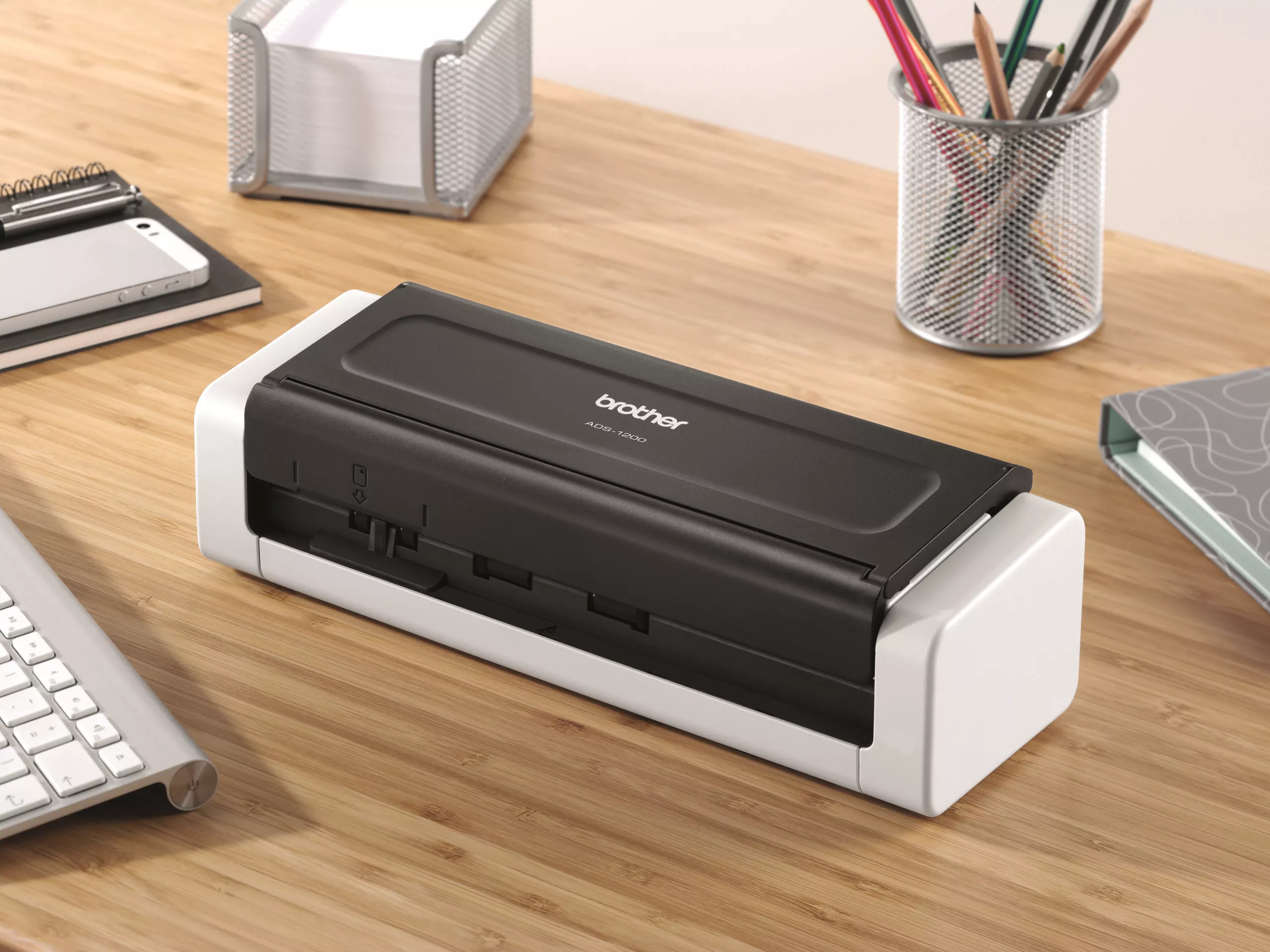
As offices continue to digitize records and streamline workflows, choosing the right scanning equipment has become a strategic decision—not just an IT task. For organizations handling large volumes of paperwork, a high capacity scanner can be the backbone of efficient document management. The right device helps teams move faster, reduce errors, and keep information flowing smoothly across departments. But with so many options available, knowing what to prioritize is essential.
High capacity scanners are designed for demanding environments such as accounting departments, healthcare facilities, government offices, legal firms, and educational institutions. These workplaces rely on consistent performance, durability, and flexibility to handle daily scanning needs without disruption. Understanding your office’s usage patterns and document types is the first step toward making the right choice.
Job Size & Average Usage
One of the most important factors to consider when selecting a high capacity scanner is job size and average daily usage. Not all offices scan the same volume of documents, and choosing equipment that aligns with real-world needs prevents both underperformance and unnecessary overspending.
Start by evaluating how many pages your office scans per day and per week. High capacity scanners are built to handle thousands of pages daily, making them ideal for environments where scanning is a core function rather than an occasional task. If your team regularly processes large batches of invoices, contracts, forms, or records, a scanner designed for continuous operation will deliver more reliable results than entry-level models.
Document variety also matters. Many offices scan mixed batches that include different paper sizes, thicknesses, and conditions. In these cases, advanced paper handling and intelligent feed technology are critical. Offices that regularly digitize oversized materials such as spreadsheets, drawings, or reports should also consider compatibility with a large format scanner. Being able to capture tabloid-size documents without folding or stitching saves time and preserves document integrity.
Another consideration is who will be using the scanner. Shared devices in busy departments need to be intuitive and reliable, minimizing training requirements and downtime. Consistent speed and dependable paper handling ensure workflows remain smooth even during peak periods.
The FI-7600
When discussing high capacity scanning, it’s important to look at scanners designed specifically for enterprise-level workloads. The FI-7600 is a prime example of a scanner built to meet the needs of high-demand offices. Designed for large batch scanning and continuous operation, it supports high daily duty cycles while maintaining image quality and accuracy.
The FI-7600 is engineered to handle mixed document types with ease, making it well-suited for environments where paperwork varies from day to day. Its robust design supports long scanning sessions without sacrificing performance, which is essential for departments facing tight deadlines or backlogs.
Another strength of scanners in this class is adaptability. High capacity scanners like the FI-7600 are often part of broader document workflows that include image processing, OCR, and document management systems. This integration allows scanned files to move quickly from paper to digital systems, reducing manual handling and improving accessibility across the organization.
Compatibility with different operating systems is also a key consideration. Many offices rely on Apple devices for daily operations, and choosing a mac scanner ensures smooth integration with macOS environments. Reliable driver support and consistent software updates help prevent disruptions caused by operating system changes.
Thinking Beyond Speed
While speed is a major selling point of high capacity scanners, it shouldn’t be the only factor. Reliability, paper handling, and image quality are equally important. A scanner that operates quickly but produces frequent jams or inconsistent scans can slow productivity rather than improve it.
High capacity scanners are designed to reduce manual intervention through features like automatic feed detection, skew correction, and image enhancement. These capabilities help ensure that documents are scanned correctly the first time, reducing the need for rescans and post-processing.
Scalability is another advantage. As organizations grow, scanning needs often increase. Investing in a scanner built for high volumes allows offices to scale workflows without constantly upgrading equipment. This future-proofing makes high capacity scanners a smart long-term investment.
Making a Confident Decision
Choosing the right high capacity scanner starts with understanding your office’s workload, document types, and growth plans. By evaluating job size, average usage, and the need for specialized formats, organizations can select equipment that truly supports their operations.
High capacity scanners like the FI-7600 provide the durability, flexibility, and performance required for demanding environments. When paired with the right software and system compatibility, they become powerful tools that help offices work faster, smarter, and with greater confidence.
In a world where efficiency and accuracy matter more than ever, selecting the right scanner isn’t just about hardware—it’s about enabling better workflows across your entire organization.