
The Ultimate Guide to Boat Transport: From Local Moves to Interstate Hauls
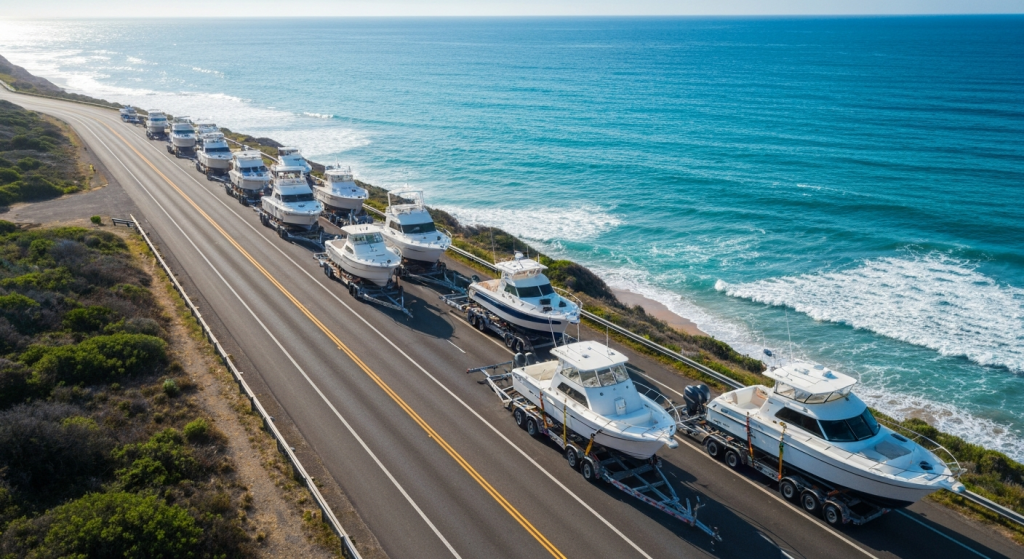
Key Highlights
- This guide covers everything you need for successful boat transport in Australia.
- Discover the difference between local and interstate boat moving services.
- Learn how factors like size, weight, and distance affect your final cost.
- Understand the importance of professional boat transport and proper insurance coverage.
- Find out about state regulations and the necessary documentation for moving your boat.
- Follow our tips on proper preparation to ensure a smooth transport experience from start to finish.
Introduction
Are you looking to move your boat to a new location? Whether it’s a jet ski, a small fishing boat, or a larger vessel, the process of boat transport can seem complex. This guide is here to simplify boat transportation for you. With years of experience in moving all types of vehicles, we understand the care and expertise required. We will walk you through everything from getting a quote to preparing your boat for its journey, ensuring it arrives safely at its destination.
Understanding Boat Transport in Australia
Navigating the world of boat transport in Australia involves more than just moving your vessel from one point to another. It requires careful planning, especially when crossing state lines. A reliable transport company handles the logistics, ensuring your boat complies with all regulations.
Understanding the services available is the first step. Professional boat transportation is designed to cater to your specific needs, whether you’re moving a boat down the street or across the country. This ensures your pride and joy is handled with expertise. We will now explore the specific services, common boat types, and the differences between local and interstate moves.
Overview of Boat Moving Services
When you need to move your vessel, various boat transport services are available to meet your needs. A professional boat transport company like CEVA Car Carrying offers a range of solutions, from moving jet skis on trailers to transporting larger boats. These services are built on years of experience and are designed for reliability and quality.
The most common options involve specialized carriers. Depending on your boat’s size, it might be transported on a trailer towed by a vehicle or loaded onto a larger truck. CEVA operates a large fleet of its own specialist auto carriers, including cartainers and bolsters, to ensure the safety of your vessel during transit.
Choosing the right service depends on your specific requirements. Whether you’re looking for a depot-to-depot service or a door-to-door solution, a leading transport company can provide a competitively priced quote tailored to your individual needs.
Common Types of Boats Transported
A wide variety of watercraft are transported across Australia every day. This includes everything from smaller boats like jet skis on their own trailers to larger trailer boats. The method of transport is chosen based on the type and size of your vessel.
Beyond traditional boats, transport services also cater to other recreational vehicles. You can move a camper trailer or a box trailer with the same professional care. The key is to find a service that can handle your specific type of vehicle, ensuring it is transported securely.
To choose the best method, consider your boat’s size and the distance of the move. Smaller boats on a sturdy boat trailer might be suitable for one type of service, while a larger luxury yacht may require a more specialized approach. Always remove personal belongings before transport to ensure their safety.
Local vs Interstate Boat Moves
Local boat moves are simpler and faster, covering short distances within the same state with minimal logistics.
Interstate boat transport is more complex and requires detailed planning to meet varying state regulations on vehicle size and towing capacity. Professional services handle these challenges for you.
Key steps for safe interstate boat transport include:
- Ensuring your boat and trailer meet legal requirements
- Obtaining permits for crossing state lines
- Planning a suitable route for your vessel’s size
- Using a reliable transport company with a national network
Factors Affecting Boat Transport Cost in Australia
Several cost considerations come into play when planning your boat transport. The final price is influenced by a combination of factors, including the size of your boat, the travel distance, and the level of service you choose. A reputable transport company will provide a clear quote that outlines all expenses.
Longer distances and larger boats naturally increase the cost. You should also think about insurance coverage, as this is a crucial element for your peace of mind. We will now look at how boat size, weight, distance, and other fees contribute to the overall cost.
Boat Size, Weight, and Distance
The main factors affecting boat transport costs are size, weight, and distance. Larger boats need specialized equipment and permits, raising expenses. Longer distances increase fuel, labor, and time costs. The total towing mass determines the required transport vehicle and impacts pricing.
Here’s a quick summary:
| Factor | Cost Impact | Why It Matters |
| Boat Size & Weight | High | Requires special carriers and permits |
| Transport Distance | High | More fuel, labor, and time are needed |
| Service Type | Medium | Door-to-door costs more than depot-to-depot |
Insurance, Permits, and Fees
Beyond basic transport costs, factor in insurance, permits, and additional fees. Adequate insurance is essential to protect your asset during transit—review both the transport company’s coverage and your own policy.
Oversized boats usually require special permits for road transport to meet local and state safety regulations. Professional transport services typically handle permit acquisition.
For interstate moves:
- Special insurance may be needed—consult both the transport company and your provider.
- Permits ensure legal compliance and help you avoid fines.
Interstate Boat Transport Requirements
When you plan an interstate boat transport, you must be aware of the specific legal requirements involved. Each state has its own set of rules, and compliance is essential for a hassle-free journey. A professional transporter is experienced in navigating these different state regulations.
This knowledge ensures that everything from paperwork to vehicle specifications is in order, allowing for a smooth transport process across borders. Understanding these regulations and ensuring all documentation is correct are key to a successful move. The following sections will provide more detail on these topics.
Understanding State Regulations
Navigating the different state regulations is one of the most challenging parts of interstate boat transport. Rules in Western Australia can differ greatly from those in New South Wales or South Australia, especially concerning oversized loads. These regulations cover everything from piloting requirements to travel time restrictions.
For example, a large boat may be classified as a restricted access vehicle, meaning it can only travel on certain approved routes or at specific times of the day. This is a safety measure to protect all road users.
Professional transport services are well-versed in these nuances. They understand the specific safety requirements for moving a boat across state borders and ensure that every leg of the journey, from Sydney to Perth, is fully compliant with the respective state laws.
Documentation and Legal Compliance
Proper documentation is the backbone of legal compliance in the transport industry. When moving your boat on public roads, having all the correct paperwork is essential. This includes registration for both the boat and trailer, as well as any special permits required for the move.
The concept of the “chain of responsibility” means that everyone involved, from the owner to the transport company, is accountable for safety and compliance. This ensures that all legal and safety standards are met throughout the journey.
Your boat transport preparation checklist should include:
- Confirming all necessary permits have been obtained.
- Ensure your boat’s registration and insurance are current.
- Verifying that the transport provider has a strong track record of legal compliance.
How to Book Professional Boat Transport Services
Booking a professional boat transport service is a straightforward process designed to be easy for boat owners. The first step is to get a quote from a reliable company. With a large national network, CEVA Car Carrying can offer a cost-effective service to get your boat to its new location.
Once you have a quote, the transport process can begin. The goal is to make the experience as simple as possible, whether you’re moving your boat for a vacation or relocating to a new home. Below, we’ll detail the booking process and what you can expect on the day of pickup.
The Step-By-Step Booking Process
The booking process for freight transport with a leading transport company is designed for your convenience. The easiest way to start is by obtaining a free online quote. This will give you an initial idea of the cost for your specific needs.
For a more detailed quote that includes door-to-door service or transport to a rural area, you can use a comprehensive online form or contact a customer care center directly. This allows you to tailor the service to your move, whether you’re relocating to a new home or just moving your boat.
Here are the essential steps in the booking process:
- Get a quick quote online for a baseline cost.
- Request a comprehensive quote for personalized services.
- Provide detailed information about your boat and transport needs.
- Confirm your booking and schedule your pickup date.
What to Expect on Pickup and Delivery
On the day of pickup, your main responsibility is to ensure the boat is ready. Proper preparation is key to a smooth shipping process. This includes securing any loose items on or inside the boat and making sure the trailer is in good condition if it’s being transported as well.
During transport, you can often track your vehicle’s progress online. This feature provides peace of mind, allowing you to see where your boat is at any point during its journey. Upon delivery, you or a representative should be present to inspect the boat and sign off on its arrival.
To prepare for pickup and delivery:
- Secure all loose gear, covers, and electronics.
- Drain fuel and water tanks as advised by the transport company.
- Inspect your boat before pickup and after delivery to check its condition.
Conclusion
In conclusion, understanding boat transport is essential for anyone looking to relocate their vessel with ease and efficiency. With a range of services available, from local moves to interstate hauls, knowing what to expect can make the process smoother. Factors such as boat size, weight, and state regulations play a crucial role in determining the cost and requirements for transport. By following this guide, you can confidently navigate the intricacies of boat transport in Australia. If you’re ready to take the next step, don’t hesitate to book your boat transport with Cevacar Carrying and experience a hassle-free journey for your cherished maritime investment.
Frequently Asked Questions
What is the best way to prepare my boat for transport?
Proper preparation is crucial for safe boat transportation. Secure all loose items, remove personal belongings, and drain water and fuel tanks if required. Also, ensure any covers are tightly fastened or removed to prevent damage from wind during transit. Following these steps helps ensure a trouble-free move.
How much does it cost to move a boat interstate in Australia?
The boat transport cost for an interstate move varies. Key cost considerations include your boat’s size and weight, as well as the travel distance. Longer distances and boats requiring heavy haulage will be more expensive. For an accurate price, get a quote from a professional transport company.
Do I need special insurance for interstate boat transport?
Yes, checking your insurance coverage is highly recommended for peace of mind during boat transport. While professional boat transport services have their own insurance, you should review your policy to ensure it covers transit. This helps protect your investment against any unforeseen events and meets all legal requirements.