
Ziplining Adventure and Zipline Activities: From Wartime Logistics to the World’s Fastest Ride
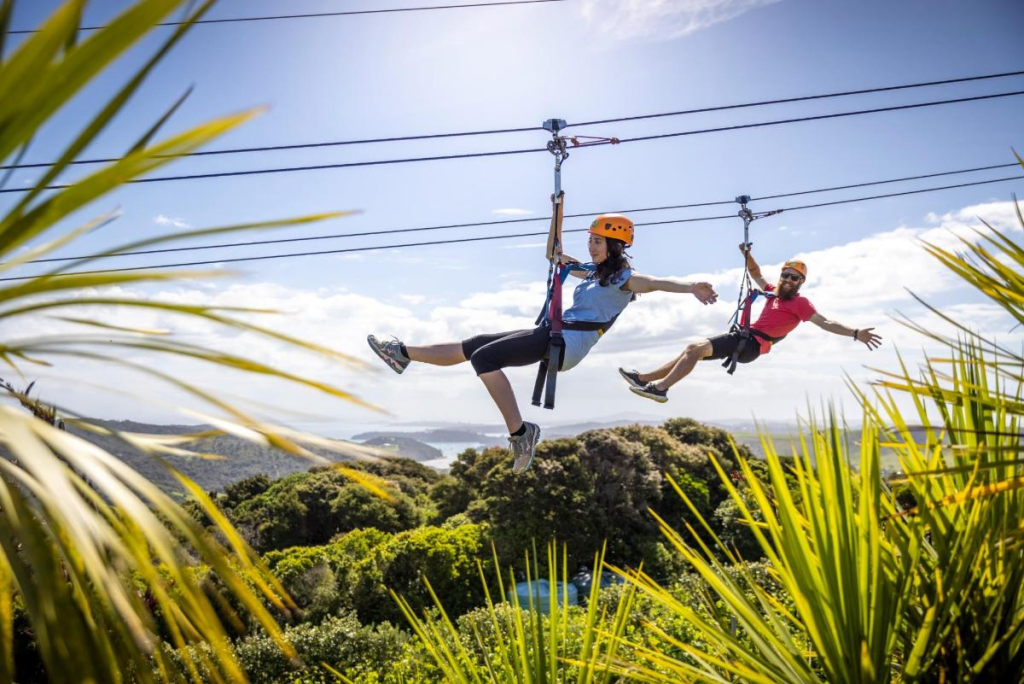
The concept behind a zipline is straightforward enough that humans have been using variations of it for over 2,000 years. Mountainous communities in China, the Himalayas, and parts of Europe used suspended cables to cross rivers and ravines long before anyone thought to call it an adventure activity. During the Second World War, the US Army built zipline towers specifically to train airborne forces — a way of simulating descent before soldiers ever touched a parachute. The same basic physics that moved supplies across a Himalayan gorge now sends people screaming across a Welsh quarry at 120 miles per hour. The technology hasn’t changed much. The reasons for using it have.
The modern commercial zipline industry traces its origins to Costa Rica in 1979, where the first tourist-facing zipline attraction was built to let visitors experience the rainforest canopy from above without disturbing it. It was, at its core, a practical idea borrowed from wildlife biologists who had used cables in the 1970s to move through forest canopies without trampling the ecosystems they were studying. Costa Rica recognised the tourism potential and ran with it. Today the country remains one of the most visited zipline destinations in the world, with multi-section canopy tours stretching several kilometres across rainforest ridgelines.
The Records Are Worth Knowing
The world’s longest zipline as of 2024 is the K3 at SA Forest Adventures in Caledon, South Africa — a single cable spanning 3.2 kilometres across the Riversonderend Valley, reaching speeds of up to 120 kilometres per hour with riders suspended 525 feet above the valley floor. It took the record from the Jebel Jais Flight in Ras Al Khaimah, UAE, which had held it since 2018 with a span of 2.83 kilometres over the Hajar Mountains — riders there reached 150 kilometres per hour, launching from a transparent bird-shaped platform and landing on a glass-floored deck in the mountains.
For steepness, ZipFlyer Nepal near Pokhara holds the record — a maximum incline of 56% and a vertical drop of 610 metres, with riders looking straight down at the Annapurna mountain range. For speed in Europe, Velocity 2 in Penrhyn Quarry, Snowdonia in Wales, is the standout. Built in a former slate quarry 500 feet above a lake, it reaches 120 miles per hour — the fastest zipline on the continent. The quarry setting is unusual and genuinely dramatic: riders launch above still water with sheer rock faces on either side, and the whole thing is over in under a minute.
Zipline Activities in the UK
Wales punches considerably above its weight in the zipline adventure category. Beyond Velocity 2, there are a number of multi-line forest and canopy experiences across Wales, Scotland, and England, most operating within woodland settings with multiple shorter lines, platforms, and descent sections. Go Ape, which operates across the UK, built much of its model around elevated forest courses that incorporate ziplines as the headline element — and in an unlikely footnote, it was at a Go Ape course in Grizedale Forest, Cumbria, that a 106-year-old British man became the oldest person ever to ride a zipline in 2018.
At the more accessible end, zipline activities have become a consistent feature of activity centres, outdoor education sites, and adventure parks across the UK. Many are suitable for children from around eight years old, with harness and weight requirements varying by site. The experience is short — most zip runs last between 30 seconds and a few minutes — which is part of the appeal. It delivers a concentrated burst of the sensation of flight without the preparation, training, or commitment of something like skydiving.
Why Ziplining Works as an Activity
The appeal is fairly easy to explain. You’re moving through the air under your own weight, across terrain that would otherwise be completely inaccessible, with nothing between you and the landscape below except a steel cable and a harness. It’s the same basic appeal as skiing, paragliding, or any other sport that involves speed and elevation — but compressed into something most people can do within about twenty minutes of arriving at a site, without any prior experience.
The industry has grown in over 72 countries. Commercial operations in the US alone numbered more than 400 by 2020 and the figure has continued to rise. Adventure tourism as a whole is expanding, and zipline activities sit neatly within it — short, accessible, memorable, and requiring very little from the participant beyond a willingness to let go.
adventuro lists ziplining adventure and zipline activities across the UK and internationally — a useful starting point for comparing what’s available and finding something within reach.
The 2,000-year-old engineering problem hasn’t changed. What has changed is why you’d want to solve it.