
Everest Helicopter Travel Guide: Kathmandu to Lukla, Everest Base Camp Tour, and Gokyo to Kathmandu Flight Experience
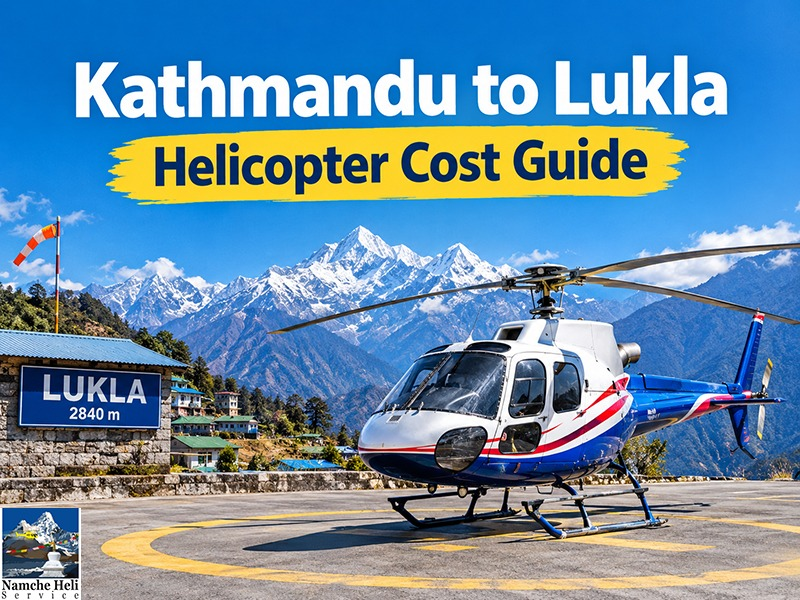
Ask ten people who have been to the Khumbu how they got there and you’ll hear ten slightly different stories. Some walked in from the Lukla airstrip, some flew in on a morning when the weather behaved, and a growing number now let a helicopter do the heavy lifting. Everest helicopter travel isn’t one single thing, either. It can mean a quick hop from Kathmandu to Lukla, a sightseeing day that ends with a hot drink in front of Everest, or a ride home from Gokyo after a long trek.
This guide walks through each of those options in plain terms: what the flights are like, who they suit, how much the weather can mess things up, and what to ask before you hand over any money. It’s mostly written for trekkers short on days, travellers who prefer a bit more comfort, and anyone who simply wants to see the mountains without the multi-day slog.
How Helicopter Travel Works in the Everest Region
Kathmandu Is Where Most Journeys Begin
Nearly every helicopter plan starts in Kathmandu. Flights usually leave early, because mountain weather tends to be clearest in the morning, before cloud builds up in the valleys. Your operator will normally arrange a hotel pickup and an airport transfer, and you’ll be asked to check in with your passport and have your bags weighed. Travel light. Big duffel bags rarely fit the plan.
Flying in the Khumbu Is Not Like Flying Anywhere Else
Thin air means helicopters can carry less the higher they go. That’s why weight matters so much, yours and your luggage’s. Pilots sometimes split a group, flying some passengers up first while the rest wait, and refuelling stops at places like Lukla are common. Weather gets the final say, every time. Cloud, wind or poor visibility can delay a flight or change the route, and no operator can honestly promise otherwise.
Kathmandu to Lukla Helicopter Flight: What It’s Like and Who It Suits
What to Expect on the Flight
A Kathmandu to Lukla helicopter flight usually takes well under an hour, though the exact time depends on the aircraft, the route and the day. You climb out over the hills east of the city, with terraced fields and small villages sliding past below, and before long the white peaks start showing up on the horizon. The flight ends at Tenzing-Hillary Airport, with its famously short, sloping runway.
Compared with a small fixed-wing plane, the main differences are the view and the flexibility. A helicopter sits lower, the windows are generous, and it can sometimes keep operating when the regular Lukla schedule is being disrupted.
Who Should Consider It
It makes sense for trekkers with tight holiday time, for families or private groups who want everyone on the same flight, and for anyone nervous about cancellations at Lukla. It also suits people heading to Everest Base Camp or other Khumbu routes who would rather start walking fresh than frazzled.
Check These Things Before You Go
Ask about baggage limits, whether the flight is shared or private, and what happens if the weather turns. Keep your schedule a little loose too. One spare day saves a lot of stress.
Lukla to Kathmandu Helicopter Flight: Coming Back from the Mountains
The Return Flight
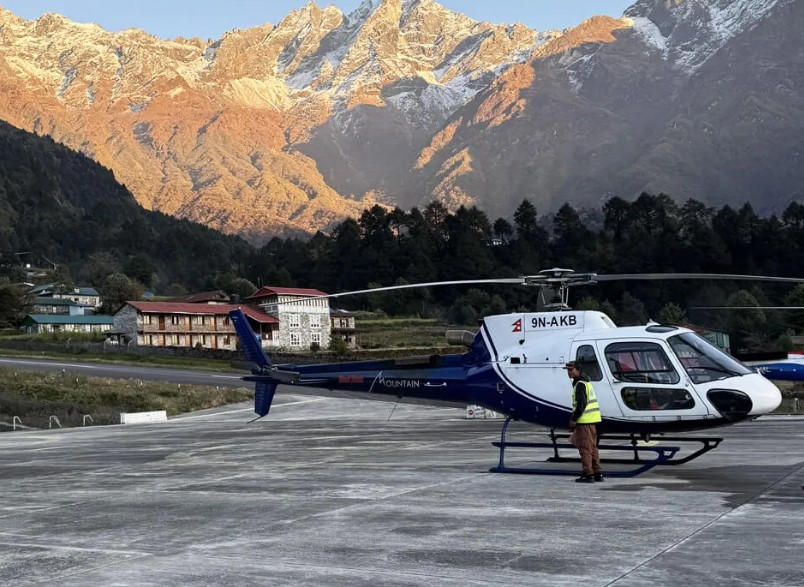
A Lukla To Kathmandu Helicopter Flight is the same route in reverse, and again it’s usually under an hour. You gather at Lukla, bags get weighed, and you board when the pilot is happy with conditions. Then the Khumbu hills slowly fade behind you. For many trekkers the real appeal is skipping a long walk back or an uncertain wait for a morning plane.
When It’s Worth Considering
It’s a good fit after finishing the Everest Base Camp route, especially if your legs are tired and your flight home isn’t far off. Groups that need a more flexible return benefit as well. It’s not necessary for everyone, though. Plenty of people genuinely enjoy the walk out.
Weather and Booking
Mornings are normally the best bet, but schedules can change at short notice. Seats on shared flights depend on how many people are travelling that day, so build in a buffer day before any international departure. Seriously, don’t book a tight connection straight after.
Everest Base Camp Helicopter Tour: Route, Views, and Landing
A Typical Route
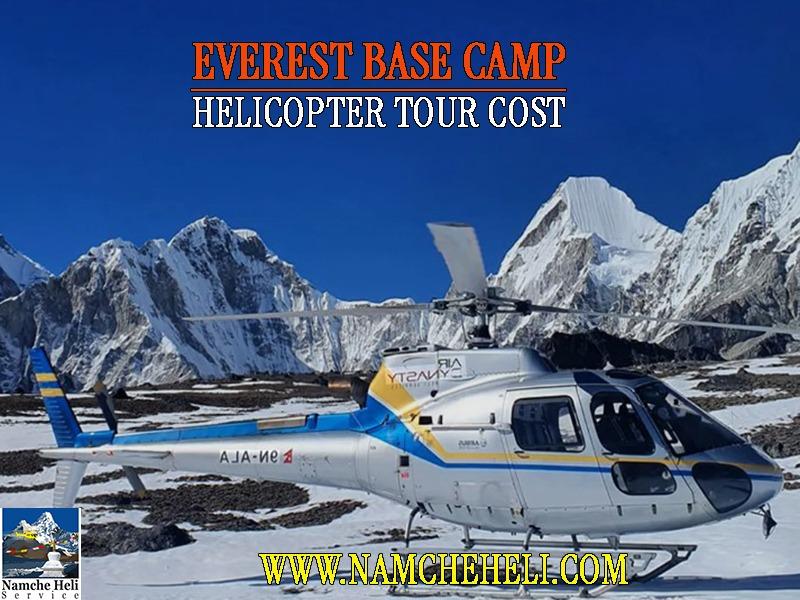
Most tours leave Kathmandu, stop at Lukla (sometimes for refuelling), then continue over Namche Bazaar and Tengboche toward the high Khumbu. An Everest Base Camp Helicopter Tour offers passengers a remarkable aerial perspective of this mountain region, with views of Everest, Lhotse, Nuptse and the Khumbu Glacier, which resembles a frozen river from above. Depending on the flight plan, passengers may be transferred in smaller groups, with locations such as Pheriche sometimes used as operating points for high-altitude shuttle arrangements.
Can Helicopters Land at Everest Base Camp?
Flying over Everest Base Camp and landing there are two very different things. At that altitude the air is thin, and landing options are limited by terrain, aircraft performance, weather and the weight on board. Landings near Kala Patthar are sometimes possible, but they’re never guaranteed. Treat any landing as a bonus rather than a promise, and check exactly how your operator words it.
Breakfast at the Everest View Hotel
Many itineraries include a breakfast stop at the Everest View Hotel, above Namche, with the mountains right outside the window. You usually get enough time for photos and something warm to drink, though the timing shifts with the weather and the order of flights.
Who Is an Everest Helicopter Tour Suitable For?
It works well for travellers who can’t manage a multi-day trek, visitors with only a few days in Nepal, and families or older travellers who meet the operator’s requirements. Photographers tend to love it too.
Gokyo to Kathmandu Helicopter Flight: Leaving the Gokyo Valley
Understanding the Return Route
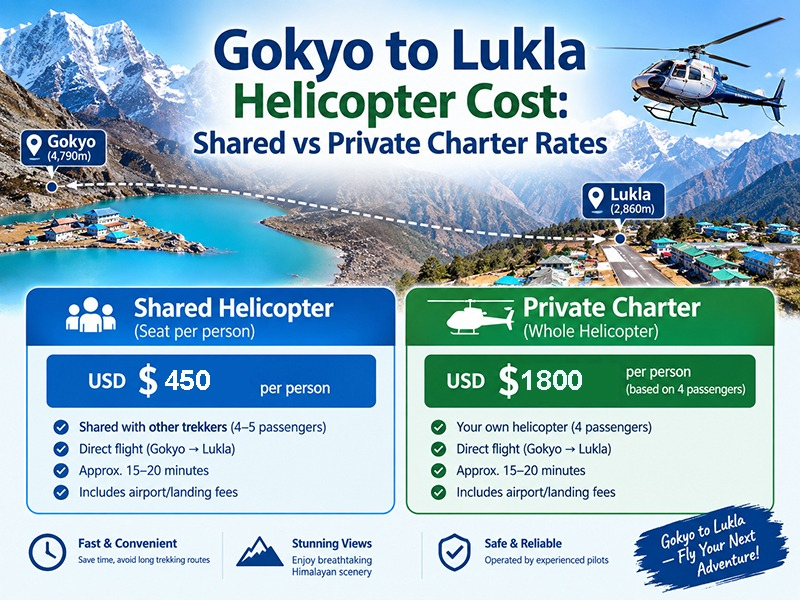
Gokyo sits in the Everest region beside a chain of blue-green lakes, with glaciers and big peaks all around. A Gokyo To Kathmandu Helicopter Flight lets you leave that valley without spending days walking back down. Sometimes the flight is direct, and sometimes it involves a stop at another operating point, such as Lukla, before continuing to Kathmandu.
Why Travellers Choose It
The biggest reason is time. After finishing the Gokyo Lakes trek, a helicopter can save several days, which matters if an international flight is waiting. It also takes some physical strain out of the trip.
Planning Notes
Weather around Gokyo can change quickly, and altitude affects how a helicopter performs, so weight and baggage limits apply here as well. Waiting time is possible. Don’t assume a direct flight is always on offer; ask what the actual routing will be.
Costs, Shared Flights, and Private Charters
Shared Flights vs Private Charters
Shared flights split the cost between passengers, but they depend on enough people travelling and offer less flexibility on timing. Private charters cost more, though you get privacy and more say over the schedule. Minimum passenger numbers and operating conditions can apply either way.
What Affects the Price
Where you’re flying from and to, the distance, the altitude, passenger weight, fuel and refuelling needs, and any changes forced by the weather all play a part. I’m not quoting figures here because they move around, so ask operators for a written breakdown of what’s included.
Best Time for Everest Helicopter Travel
Spring: March to May
Spring offers good mountain scenery and generally workable flying conditions, though haze and afternoon cloud can build as the season goes on.
Autumn: September to November
Autumn is usually considered the most dependable season for trekking and sightseeing, and morning flights tend to be clear.
Winter and Monsoon
Winter brings snow and cold, while the monsoon brings rain and heavy cloud, both of which cut visibility. Whatever the month, flights stay weather-dependent all year.
Safety, Passenger Weight, and Essential Preparations
Passenger Safety at High Altitude
Operator experience matters, and so do the pilot’s decisions. If the pilot says no because of weather or landing conditions, that’s the right call, even when it’s disappointing.
What to Carry
Bring your passport, warm layers, sunglasses and a camera. Pack the essentials in a small, soft bag that suits helicopter travel.
Altitude Awareness
Much of this scenery sits inside Sagarmatha National Park, and the altitude can bring headaches or dizziness. Listen to the crew, and don’t rush around at high stops.
Choosing a Reliable Everest Helicopter Operator
Look at the operator’s experience and registration, confirm exactly what’s included, and ask about weight limits and landing arrangements. Read the cancellation, refund and weather-delay policy before paying, and notice how clearly and quickly they reply to your questions. Travellers often compare several companies, and Namcheheli is one name you may come across while researching Everest helicopter services.
Frequently Asked Questions About Everest Helicopter Flights
How long does a Kathmandu to Lukla helicopter flight take?
Usually well under an hour, depending on the route, aircraft and weather.
Can I take a helicopter directly from Lukla to Kathmandu?
Yes, it’s a common return option, subject to weather and availability.
Does an Everest Base Camp helicopter tour include a landing at Kala Patthar?
Not guaranteed. A landing depends on conditions on the day.
Can I fly directly from Gokyo to Kathmandu?
Sometimes, though the route may include a stop. Confirm with your operator.
Are shared Everest helicopter flights available throughout the year?
Not reliably. Availability depends on season, demand and weather, so ask in advance.
Contact Details
Namche Heli Service
Namche Bazzar, Solukhumbu, Nepal
(Branch Office :Kathmandu Naya Bazar)
+977-985-2850192 (WhatsApp)
Email: [email protected]
URL: www.namcheheli.com