
CA Firm Guide: Automating W-2 and 1099 Tax Processing
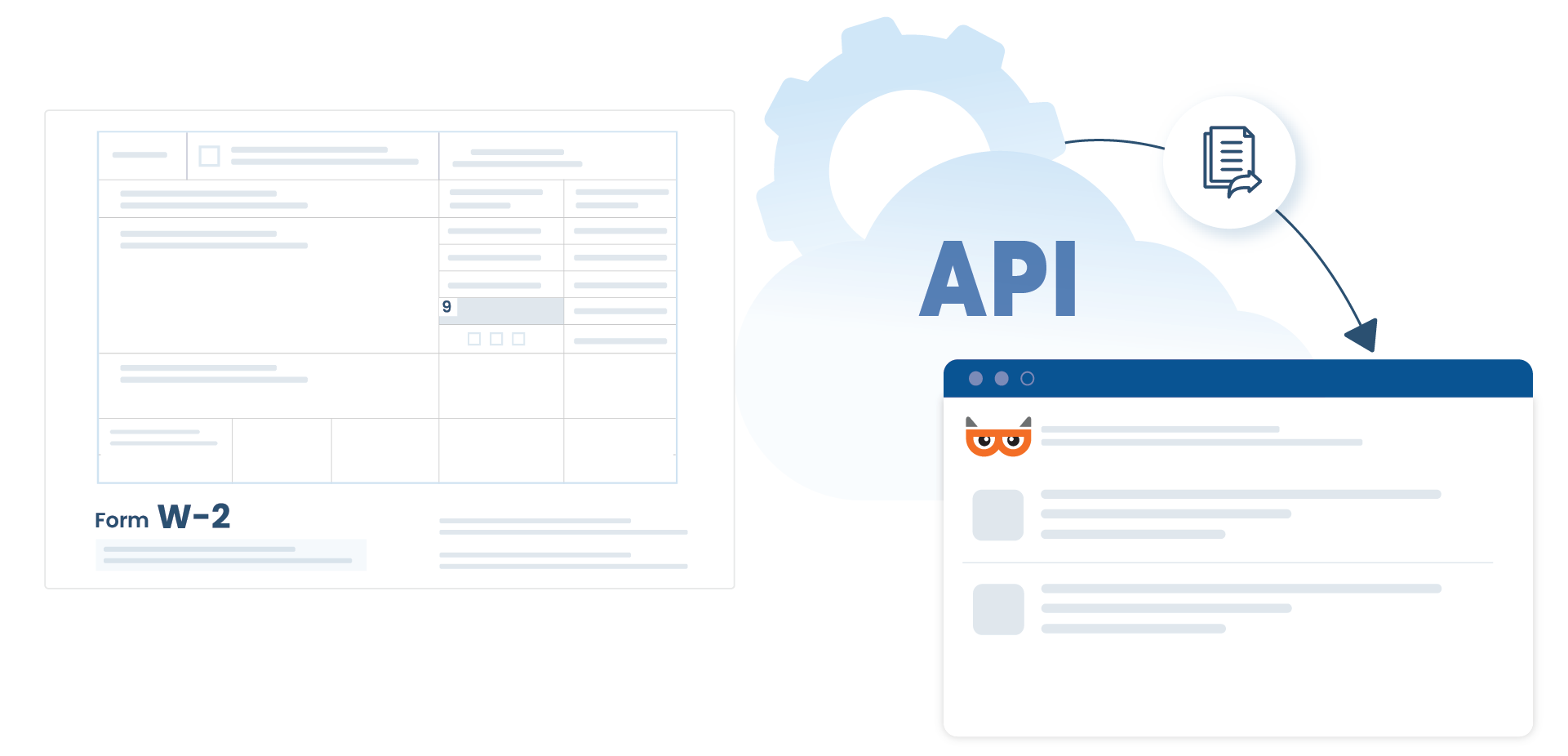
For CA firms handling US clients, managing tax documents like W-2s and 1099s can be time-consuming and error-prone. With increasing client volume and tighter deadlines, the need for streamlined operations is essential. US tax filing for CA firms involves multiple steps, including document intake, data extraction, and accurate return preparation, which can be automated to save time and reduce mistakes. Automation tools help firms handle larger workloads efficiently while maintaining high accuracy and compliance.
Streamlining Document Collection and Intake
Automation starts with how documents are collected and organized, eliminating manual filing and reducing the risk of missing information.
- Centralized Client Document Upload
Automated systems provide a secure portal where clients can upload their W-2s, 1099s, and other tax documents. This reduces back-and-forth emails and ensures all documents are stored in one place. Firms can track document submission status, set reminders, and ensure clients provide all required forms before filing. - Automated Document Classification
AI-based tools automatically identify and categorize tax documents based on their type and format. This eliminates manual sorting and prevents misplacement of important forms. Categorization also helps in faster processing, as the system knows exactly which form needs to be processed and in what order. - Error-Free Document Verification
Automation validates the uploaded documents by checking for missing fields, incorrect formats, or inconsistencies. This reduces the risk of processing incomplete or invalid forms. Firms can flag issues early and request corrections from clients before the data is used for filing. - Secure Storage and Compliance
Automated platforms store documents in encrypted systems that meet compliance standards. This helps protect sensitive client information from unauthorized access.
Having an organized and secure storage system also makes it easier to retrieve documents during audits or client inquiries.
Automated Data Extraction from W-2 Forms
Processing W-2 forms manually requires attention to detail, and even small mistakes can cause major issues. Automation helps CA firms extract data accurately and efficiently.
- AI-Based Data Recognition
Automated tools use AI to read W-2 forms and extract required information such as wages, taxes withheld, and employer details. This eliminates the need for manual typing and reduces the chances of human error in data entry. - Automatic Field Mapping
Once data is extracted, automation maps it to the correct tax form fields. This ensures that every value is placed in the right location without manual intervention. Accurate mapping prevents delays caused by incorrect field placement or missing data. - Data Consistency Checks
Automation performs consistency checks by comparing extracted data with other documents and previous filings. Any discrepancies are flagged for review, helping the firm avoid incorrect filings and potential penalties. - Quick Review and Approval Workflow
Extracted W-2 data is presented in a reviewable format, allowing tax professionals to verify accuracy before final submission. This workflow helps maintain control over the filing process while still benefiting from automation.
Automating 1099 Form Processing
1099 forms vary widely in type and format, making them particularly challenging to process manually. Automation helps CA firms handle these forms efficiently.
- Smart 1099 Classification
Automated systems identify different 1099 types, such as 1099-NEC, 1099-MISC, and 1099-B, and classify them accordingly. Correct classification ensures that each form is processed based on its specific reporting requirements. - Automatic Data Extraction from Multiple Formats
1099 forms may be received as PDFs, spreadsheets, or scanned images. Automation tools can extract data from all formats accurately. This capability saves time and eliminates the need for manual conversion or re-entry. - Integration with Client Financial Data
Automation can connect with client accounting ledgers and financial systems to validate 1099 data. This ensures that income and payments are consistent across sources and reduces the risk of mismatched reporting. - Compliance and Deadline Management
Automation platforms track filing deadlines and ensure that 1099 forms are processed in a timely manner. This helps CA firms avoid late filing penalties and maintain a smooth workflow during busy tax seasons.
Ensuring Accuracy Through AI Review and Quality Control
Automation does not replace professional oversight. Instead, it enhances accuracy by providing tools for quality control and review.
- Automated Error Detection
AI tools automatically detect missing information, mismatched amounts, and inconsistent data entries. These errors are highlighted for review, reducing the risk of submitting incorrect tax returns. - Audit Trail and Document History
Automated systems maintain a detailed history of all document uploads, changes, and approvals. This audit trail is essential for compliance and helps firms respond quickly to client inquiries or audits. - Standardized Review Workflow
Automation creates a consistent review process across all tax returns, ensuring uniform quality standards. Team members can review, comment, and approve documents in a structured manner, improving collaboration and accountability. - Reduced Manual Rework
By catching errors early, automation reduces the need for rework and corrections after filing. This saves time and helps maintain client trust through accurate and timely tax filings.
Scaling CA Firm Operations with Automation
Automation is a strategic advantage for CA firms that want to grow without increasing staff size.
- Increased Processing Capacity
Automated systems allow firms to handle more tax returns in less time, enabling growth without adding resources. Firms can take on more clients while maintaining accuracy and timely delivery. - Consistent Turnaround Times
Automation ensures that processing steps follow a consistent schedule, reducing bottlenecks and delays. This consistency helps firms maintain client satisfaction and deliver predictable service. - Improved Team Efficiency
Staff can focus on high-value tasks such as review, planning, and client advisory instead of manual data entry. This leads to better job satisfaction and more effective use of professional expertise. - Cost Optimization
Automation reduces labor costs associated with manual processing and minimizes the risk of costly filing mistakes. Firms can allocate resources to strategic areas that drive business growth.
Conclusion
Automation of W-2 and 1099 tax processing can significantly enhance the efficiency of CA firms handling US clients. By automating document intake, data extraction, and review workflows, firms can reduce errors and manage higher volumes with greater confidence. For CA firms seeking improved accuracy and streamlined operations, US tax filing for CA firms becomes more manageable with advanced automation tools.
When firms look for solutions that combine AI-based document handling with workflow management and security features, platforms like FlowTax can be a suitable example. Such platforms offer structured tax processing, secure document storage, and review workflows that help maintain compliance and consistency. By adopting automation technologies, CA firms can focus more on client advisory and strategic tasks, while relying on modern systems to handle repetitive and time-consuming tax tasks.