
Facial Hair Removal Machines: A Complete Guide to Modern Hair Reduction Technology
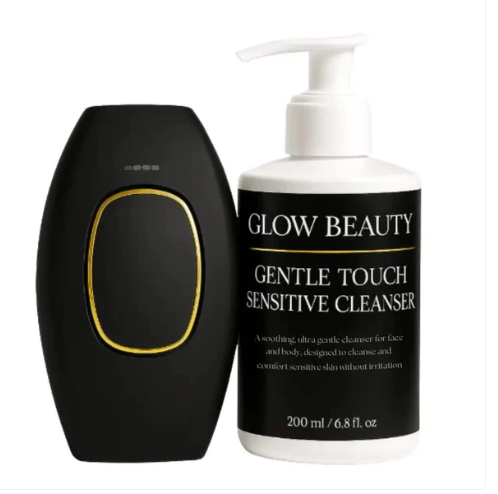
Facial hair is a natural part of the human body, but for many people, managing unwanted hair is an important part of personal grooming and confidence. Over the years, hair removal methods have evolved from traditional tools like razors and wax to advanced electronic devices designed for long-term results. Among these innovations, a facial hair remove machine has gained significant attention due to its convenience, safety, and effectiveness in reducing unwanted hair at home.
These devices are designed to reduce hair growth gradually using light or energy-based technology. Unlike temporary solutions, modern machines focus on minimizing regrowth while maintaining skin comfort and hygiene.
Understanding Facial Hair Growth
Facial hair grows from follicles located beneath the skin. Each follicle goes through three main stages:
- Anagen (growth phase) – active hair growth
- Catagen (transition phase) – hair detaches from blood supply
- Telogen (resting phase) – hair falls out and new growth begins
Hair removal machines work most effectively during the anagen phase because this is when the hair is connected to the root. Since not all hairs grow at the same time, multiple sessions are required for consistent results.
What Is a Facial Hair Removal Machine?
A facial hair removal machine is an electronic device that uses advanced technology to target hair follicles and slow down or stop future growth. The most common types use:
IPL (Intense Pulsed Light)
IPL devices emit light that penetrates the skin and is absorbed by the pigment in hair. The light energy converts into heat, damaging the follicle and reducing its ability to grow new hair.
Laser Technology
Laser devices use a focused beam of light with a single wavelength. They are more precise than IPL and are often used in professional clinical environments.
Electric Epilators
These devices mechanically pull hair from the root. While not permanent, they provide longer-lasting results compared to shaving.
Key Benefits of Facial Hair Removal Machines
Using a facial hair removal machine offers several advantages over traditional methods:
- Long-term reduction in hair growth
- Reduced risk of cuts, burns, and razor bumps
- More cost-effective over time
- Can be used at home with minimal training
- Suitable for sensitive skin when used correctly
These machines are especially useful for people who experience frequent irritation from shaving or waxing.
How Facial Hair Removal Machines Work
Although different models use different technologies, the general working principle remains the same:
- The device emits light or energy.
- Hair pigment absorbs the energy.
- Heat damages the follicle.
- Future hair growth becomes weaker.
With repeated sessions, hair becomes thinner, lighter, and eventually stops growing in many areas.
Is It Safe to Use on the Face?
When used according to instructions, facial hair removal machines are generally safe. However, facial skin is more sensitive than other areas, so special care is required.
Safety Guidelines
- Always perform a patch test before full use
- Avoid using on broken or irritated skin
- Do not use near eyes or eyebrows
- Wear protective eyewear if required
- Follow the recommended session frequency
People with certain medical conditions or skin disorders should consult a healthcare professional before using these devices.
Who Can Use Facial Hair Removal Machines?
These machines are suitable for most adults, but effectiveness depends on skin tone and hair color.
Best Candidates
- Light to medium skin tones
- Dark hair (black or brown)
- Normal to slightly sensitive skin
Less Effective For
- Very light blonde, red, or gray hair
- Very dark skin (some devices may cause pigmentation risks)
Modern technology has improved inclusivity, but results still vary based on individual characteristics.
Comparing Facial Hair Removal Methods
Here is a comparison of popular facial hair removal techniques:
Shaving
- Quick and painless
- Hair grows back within days
- High risk of irritation and ingrown hairs
Waxing
- Removes hair from root
- Results last 2–4 weeks
- Can be painful and cause redness
Threading
- Precise for eyebrows and upper lip
- Time-consuming
- Can cause skin sensitivity
Hair Removal Machines
- Long-term reduction
- Requires patience and consistency
- Minimal discomfort with modern devices
How to Choose the Right Device
Selecting the right facial hair removal machine depends on several factors:
Skin Sensitivity
Choose devices with adjustable intensity levels for better control.
Treatment Area
Some machines are designed specifically for small facial areas like upper lips and chin.
Technology Type
- IPL for home convenience
- Laser for professional precision
- Epilators for mechanical removal
Maintenance
Look for devices with long lamp life and easy cleaning options.
Common Mistakes to Avoid
Many users do not get optimal results due to improper usage. Common mistakes include:
- Skipping patch tests
- Using too frequently
- Applying on tanned skin
- Expecting immediate results
- Ignoring device maintenance
Consistency and patience are essential for long-term success.
How Long Does It Take to See Results?
Results vary, but most users notice changes after 3–4 sessions. Hair typically becomes:
- Thinner
- Lighter
- Slower-growing
After 8–12 weeks, many experience significant reduction. Maintenance sessions may be needed every few months.
Facial Hair Removal for Different Areas
Different facial zones require different approaches:
Upper Lip
A very sensitive area. Use lowest intensity settings and avoid overlapping flashes.
Chin and Jawline
Thicker hair. Higher intensity settings may be required.
Sideburns
Use precise attachments to maintain natural shape.
Neck
Be cautious due to loose skin and sensitivity.
Psychological and Confidence Benefits
Beyond physical appearance, facial hair removal can improve:
- Self-esteem
- Social confidence
- Skincare routine effectiveness
- Makeup application smoothness
Many people report feeling more comfortable in professional and social environments after managing unwanted facial hair.
Maintenance and Long-Term Care
To maintain results:
- Follow regular maintenance sessions
- Keep skin moisturized
- Avoid sun exposure after treatment
- Clean the device after each use
Proper care ensures both skin health and device longevity.
Environmental and Cost Considerations
While initial investment may seem high, facial hair removal machines reduce long-term expenses on razors, creams, and salon visits. They also generate less waste, making them a more environmentally friendly option.
The Future of Hair Removal Technology
Advancements in artificial intelligence and skin sensors are improving device accuracy. Future machines are expected to:
- Adapt automatically to skin tone
- Track hair growth patterns
- Offer faster treatment times
- Reduce energy consumption
These innovations will make hair removal safer and more accessible.
Conclusion
Facial hair removal machines represent a major shift in personal grooming. They offer a balance between convenience, safety, and long-term effectiveness. With proper usage and realistic expectations, using a facial hair remove machine can significantly reduce unwanted facial hair and improve overall skin appearance over time.
Choosing the right device, understanding your skin type, and following safety guidelines are the keys to achieving consistent and satisfying results in the long run.
FAQs
1. Are facial hair removal machines permanent?
Facial hair removal machines provide long-term hair reduction, not permanent removal. With regular sessions, hair growth becomes significantly slower and lighter. Maintenance treatments are usually required every few months to sustain results.
2. Can these devices damage facial skin?
When used correctly, they are generally safe. Problems only occur if users ignore instructions, use incorrect intensity levels, or apply on sensitive or damaged skin. Patch testing is essential before full treatment.
3. How often should I use a facial hair removal machine?
Most devices recommend sessions every 1–2 weeks during the initial phase. After noticeable reduction, maintenance sessions once every 1–3 months are usually sufficient depending on hair regrowth.
4. Is it painful to use hair removal machines?
Modern machines are designed to minimize discomfort. Users may feel mild warmth or tingling, but it is far less painful than waxing or threading. Cooling systems further improve comfort levels.
5. Can men use facial hair removal machines?
Yes, men can use these devices for beard shaping, neck cleanup, or reducing unwanted facial hair. However, thick male hair may require more sessions and higher intensity settings for visible results.