
Learn Vital Details About Georgetown Weather & Climate
Georgetown is the capital and primary port city of Guyana, situated on the Atlantic coast at the mouth of the Demerara River. Famed for its unique architectural heritage, the city is defined by the below sea level geography with an intricate system of canals and kokers. Georgetown is a growing hub for the oil and gas industry and traditional sugar and rice exports. The weather here is shaped by equatorial saturation and bimodal seasonality, and below is an overview of how to understand forecasts and associated factors.
Knowing the Regional Weather Aspects
Before you check the weather tomorrow in Georgetown, remember these aspects:
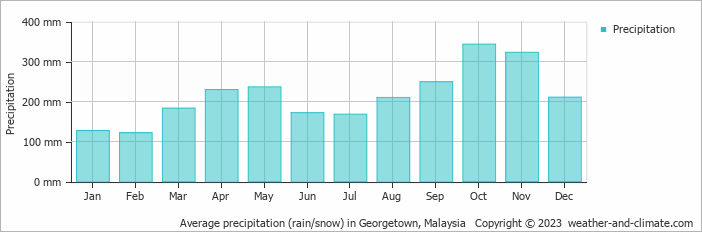
· The Intertropical Convergence Zone (ITCZ): The meeting of Northeast and Southeast trade winds creates bimodal rainy seasons here. You can expect rain between May and August and again from November to January.
· The Atlantic: The sea breeze acts as a thermal regulator here, preventing the extreme heat spikes found in the interior rainforests, but it also means the humidity remains high, above 80%.
There are several parameters that experts need to check here. This includes the total rainfall, which must be analyzed along with tidal charts. In Georgetown, 50mm of rain during high tide is a crisis, whereas the same volume during low tide is manageable. Rapid cloud formation affects solar energy grids, and areas in busy areas have trapped urban heat due to dense colonial-era wooden and modern concrete structures. The unwavering humidity accelerates the oxidation of industrial equipment and infrastructure.
Generalized forecasts for the Caribbean often overlook the weather aspects of the Demerara basin. Experts like to use trusted resources, such as Meteoflow, which offers information based on weather models and local stations.
Industries That Depend on Weather Data
1. Logistics: Helicopter transfers and supply ship operations in the Stabroek Block require real-time tracking of wind shear and visibility during ITCZ surges.
2. Agricultural Exports: Large-scale estates in the surrounding East Coast Demerara region require precision data to avoid harvesting during peak saturation, which can impact the sugar content and machinery access.
3. Harvest Timing: Large-scale estates in the East Coast Demerara region require data to avoid harvesting in peak saturation, which can impact the sugar content and machinery access.
4. Construction: Knowing dry windows matters for the maintenance of the historic sea wall and the construction of new infrastructure in the city’s business district.
5. Public Utilities: Knowing weather info can help counter the risk of lightning strikes and gusts on the coastal electrical network. Tracking weather on a daily basis is also necessary for the operation of the expansive drainage infrastructure of the city.
6. Coastal Erosion: Experts rely on wind and wave data to predict the impact of Atlantic surges on the coastline.
Takeaways
Knowing the weather in Georgetown is more about hyper-local information. Localized data helps many sectors of this economy to focus better on operations and reduce risk factors that can otherwise affect productivity. If you are looking for everyday predictions, ensure that you select a site that includes specific data for Georgetown and the surrounding areas rather than averages.