
Prime Mover vs Rigid Truck: Which Suits Your Business
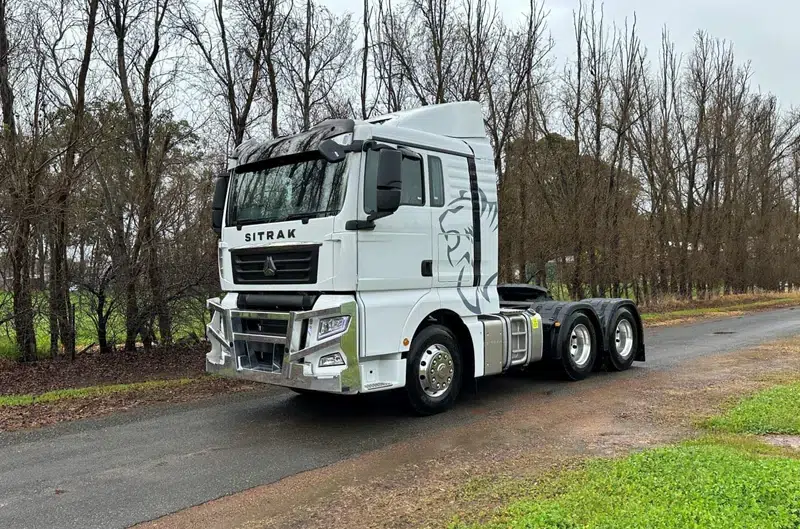
A prime mover is not a nice-to-have. For many transport and logistics businesses, it is the backbone of the operation. When it is on the road, freight moves, deadlines get met, and contracts stay healthy. When it is off the road, everything slows down, and the costs show up fast: missed loads, driver hours wasted, and customers who start looking elsewhere.
This guide is written for Australian business owners, fleet managers, and operators who are considering a prime mover for commercial work. It is not about pickup trucks or personal vehicles. It focuses on heavy-duty transport use, where reliability, compliance, and whole-of-life cost matter as much as the upfront price.
If you want a simple background explanation of what a prime mover is, Wikipedia has a helpful overview here: https://en.wikipedia.org/wiki/Tractor_unit
Why buying a prime mover is a business decision, not just a vehicle purchase
A prime mover is a money-making asset. But it is also a risk factor if you buy the wrong unit for the job.
A good purchase improves:
- Uptime and reliability
- Fuel efficiency over long distances
- Driver comfort and retention
- Load capability and route flexibility
- Maintenance predictability
A poor purchase often leads to:
- More downtime than expected
- Higher fuel and tyre costs
- Faster wear due to mismatched configuration
- Compliance headaches
- Driver complaints and turnover
The best approach is to start with your work profile and choose a unit that matches your day-to-day reality.
What “prime mover” work looks like in real life
Prime movers are used in a wide range of commercial roles, including:
- General freight and distribution
- Container transport
- Bulk haulage and tipper work
- Tanker applications
- Low loader and heavy equipment haulage
- Regional and interstate linehaul
Even within these categories, work conditions can vary wildly. A metro container unit doing stop-start work has different needs to a long-haul prime mover doing hundreds of kilometres a day. That is why planning the spec around your work matters.
What matters most when choosing a prime mover
It is easy to get distracted by horsepower numbers and glossy interior photos. The specs that usually make the biggest difference in business use are the boring ones: the ones tied to uptime, servicing, and total cost.
1) Matching the spec to the task
Start with:
- Typical gross combination mass and average payload
- Route type: metro, regional, interstate, mixed
- Terrain: hills, highway, rough access, mine-adjacent routes
- Trailer type: curtainsider, skel, tipper, tanker, low loader
- Duty cycle: start-stop vs long steady runs
When the spec is matched to the job, the truck works easier and usually lasts longer.
2) Transmission choice for your routes and drivers
Transmission selection affects fuel use, driver fatigue, and how the truck handles hills and heavy loads. The best choice depends on:
- Stop-start frequency
- Typical gradients
- Driver preference and experience
- Operating speed profiles
A setup that is brilliant for highway work might feel clunky in metro conditions.
3) Fuel and whole-of-life cost
A prime mover can chew through fuel quickly if it is not set up for your load and routes. Over the life of the truck, fuel often outweighs many other expenses.
Whole-of-life cost includes:
- Fuel consumption
- Scheduled servicing intervals
- Tyres, brakes, and suspension wear
- Downtime and lost revenue
- Parts availability and repair turnaround
- Insurance and compliance overheads
4) Driver comfort and fatigue management
Cab comfort is not a luxury in prime mover work. It affects safety, retention, and productivity. For linehaul and long shifts, practical comfort features often matter more than flashy ones.
Prime mover configurations: the decisions that affect capability
Even within one model, configuration choices can make a huge difference.
Key spec areas include:
- Axle configuration and load distribution
- Differential ratios suited to your speed and weight
- Suspension type for your operating environment
- Braking systems and stability features
- Fuel tank capacity for your routes
- Wheelbase choices for trailer compatibility and turning needs
A prime mover set up for heavy haulage is often different to one set up for light freight, even if both are “prime movers”.
Prime mover vs rigid truck in business use
A rigid truck can be the better choice when:
- You do metro deliveries with frequent stops
- You need easy site access and manoeuvrability
- The load does not require a trailer combination
- You prefer a single-unit setup with simpler coupling logistics
A prime mover is often the better choice when:
- You need flexibility with different trailer types
- You run longer distances with higher payload requirements
- Your work depends on fast trailer swapping and time efficiency
- You want to scale fleet capacity by adding trailers later
Many businesses run both. The choice depends on your contract profile and operating model.
New vs used prime movers: what businesses consider
The best choice depends on cash flow, risk tolerance, and whether the prime mover is mission-critical.
New can suit when
- You want predictable reliability and warranty coverage
- You plan to keep it long term
- You need modern safety systems and comfort
- You want fewer unknowns early on
Used can suit when
- You want lower upfront cost
- You have strong internal maintenance support
- You are adding a secondary unit or seasonal capacity
- The service history is clear and the inspection checks out
With used units, documentation and inspection are everything.
The inspection checklist before you commit
Whether new or used, a checklist reduces expensive surprises.
Mechanical checks
- Engine performance and leaks
- Transmission behaviour under load
- Brake system condition and air system health
- Suspension wear and steering play
- Electrical reliability and charging system
- Cooling system condition, especially for WA heat
Operational checks
- Coupling and fifth wheel condition
- Trailer brake connections and air lines
- Signs of heavy wear or misuse
- Evidence of consistent maintenance
Documentation checks
- Service history and major repair records
- Confirmation of specs and configuration
- Registration and encumbrance status
- Any compliance documents relevant to your work
A clean-looking prime mover without history is a risk. A well-documented unit is often the safer buy.
Perth buyers: finding prime movers that suit real work
If you live in Perth and you are looking for a prime mover for sale, you can start here and compare available options: prime mover truck
Mistakes businesses make when buying prime movers
These are the common ones that cost money later:
- Buying horsepower without matching the spec to the work
- Ignoring total cost over time and focusing only on purchase price
- Underestimating fuel costs and route suitability
- Choosing a configuration that struggles in stop-start work
- Skipping inspection steps and service history review
- Not considering driver comfort for long shifts
- Buying a unit that cannot easily swap between trailer types you use
Most regrets come from mismatch, not from the truck “being bad”.
How to make a confident buying decision
Before you commit, confirm:
- The spec matches your daily routes, weights, and trailer type
- The total cost over time makes sense, not just the upfront number
- You understand the maintenance needs and serviceability
- The truck supports driver comfort and long-term retention
- You have a plan for uptime: servicing, parts, and downtime scheduling
If you can tick these off, you are usually making a decision that supports growth rather than creating stress.
FAQs
1. What is a prime mover used for in Australia?
A prime mover (tractor unit) is used to tow semi-trailers in freight and heavy haulage work, including container, tanker, tipper, and general transport roles.
2. How do I choose the right prime mover spec for my business?
Start with your typical weights, routes, and trailer types. Match the axle setup, drivetrain, transmission, and gearing to your day-to-day work, not just peak jobs.
3. Is a new or used prime mover better?
It depends on budget and risk tolerance. New can offer predictability and warranty support. Used can offer value if the service history is clear and the unit is inspected properly.
4. Why does driver comfort matter in a prime mover?
Drivers spend long hours in the cab. Comfort affects fatigue, safety, retention, and productivity, especially for linehaul and regional work.
5. What should I check before buying a used prime mover?
Service history, major repairs, engine and transmission performance, brake and suspension condition, fifth wheel wear, and whether the configuration suits your trailer type and routes.