
Understanding 3DS Authentication: Enhancing Online Payment Security
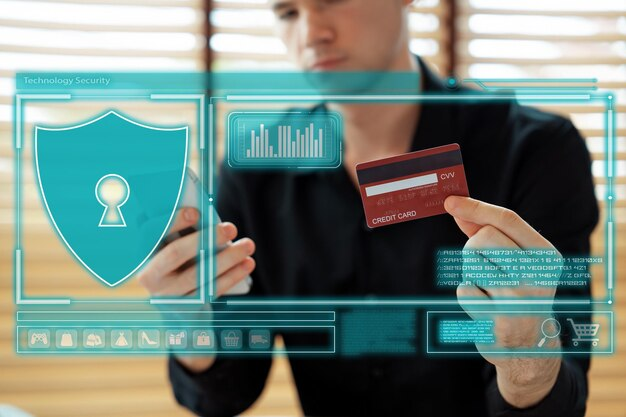
In today’s digital economy, online transactions are more frequent than ever. However, with the rise of e-commerce comes an increased risk of fraud and unauthorized payments. One of the most effective methods to combat these risks is 3DS authentication.
3ds authentication is a security protocol designed to add an extra layer of protection during online card payments. This article delves into what 3DS authentication is, how it works, its benefits, and best practices for businesses and consumers alike.
What is 3DS Authentication?
3DS, short for Three-Domain Secure, is an authentication protocol developed by major card networks like Visa and Mastercard. It involves three domains:
- Issuer Domain: The bank that issued the card.
- Acquirer Domain: The merchant’s bank processing the payment.
- Interoperability Domain: The payment infrastructure that facilitates communication between the issuer and acquirer.
By verifying the cardholder’s identity during transactions, 3DS authentication helps prevent fraud and chargebacks. It is widely used in e-commerce platforms, subscription services, and online marketplaces.
How 3DS Authentication Works
The process is straightforward yet highly effective. Here’s a simplified overview:
- Transaction Initiation: The cardholder initiates a purchase online.
- Authentication Request: The merchant’s payment gateway sends a verification request to the issuing bank.
- Verification Challenge: Depending on the 3DS version, the cardholder may need to provide additional information, such as a password, SMS code, or biometric verification.
- Approval or Decline: The issuing bank validates the identity and either approves or declines the transaction.
There are two major versions of 3DS authentication:
- 3DS1: The original protocol, often using static passwords or one-time codes.
- 3DS2: A newer, more user-friendly version that supports mobile devices, biometrics, and frictionless authentication for low-risk transactions.
Benefits of 3DS Authentication
Implementing 3DS authentication provides several advantages:
- Enhanced Security: Protects both merchants and customers from fraudulent transactions.
- Reduced Chargebacks: Verified transactions lower the risk of disputes and chargebacks.
- Regulatory Compliance: Meets requirements for secure payments in regions like Europe under PSD2.
- Customer Trust: Shoppers feel safer when making online payments on platforms using 3DS authentication.
- Flexible Verification: 3DS2 allows for seamless user experiences while maintaining strong security.
Best Practices for Merchants
Merchants can maximize the benefits of 3DS authentication by following these guidelines:
- Choose a Reliable Payment Gateway: Ensure your gateway supports the latest 3DS protocols.
- Enable 3DS2 Features: Take advantage of frictionless authentication to minimize abandoned carts.
- Monitor Transaction Risk: Implement adaptive authentication to verify high-risk transactions only.
- Educate Customers: Provide clear instructions on completing 3DS verification to reduce confusion.
- Regularly Update Systems: Keep payment software and protocols updated to prevent security vulnerabilities.
Common Challenges and How to Overcome Them
Despite its benefits, 3DS authentication can present challenges:
- Cart Abandonment: Some users may leave the checkout process if authentication seems cumbersome. Mitigation: Use 3DS2’s frictionless verification where possible.
- Compatibility Issues: Older browsers or devices may not support newer 3DS protocols. Mitigation: Offer fallback authentication methods.
- False Declines: Legitimate transactions may occasionally be flagged as fraudulent. Mitigation: Use risk-based scoring and manual review processes.
By understanding these challenges, businesses can implement 3DS authentication effectively without compromising customer experience.
The Future of 3DS Authentication
The evolution of online payments demands more secure and user-friendly solutions. Emerging trends include:
- Biometric Authentication: Fingerprint or facial recognition for faster verification.
- Tokenization Integration: Reducing the risk of exposing card details during transactions.
- AI and Machine Learning: Analyzing patterns to detect fraud before it occurs.
- Global Standardization: Harmonizing 3DS protocols across regions to ensure consistency.
As technology advances, 3DS authentication will continue to play a vital role in securing online commerce.
Conclusion
Securing online payments is critical in today’s digital economy, and 3DS authentication provides a robust solution. By implementing it effectively, businesses can protect themselves and their customers from fraud while improving trust and compliance.
For more detailed information on advanced security practices, visit 3ds authentication.
FAQs
1. Is 3DS authentication mandatory for all online transactions?
No, it depends on the card network and regional regulations. In certain regions, like the European Union under PSD2, 3DS authentication is mandatory for many online payments.
2. How does 3DS2 improve user experience compared to 3DS1?
3DS2 supports frictionless authentication, mobile devices, and biometric verification, making the process faster and more convenient while maintaining high security.
3. Can 3DS authentication completely prevent fraud?
While highly effective, 3DS authentication cannot prevent all fraud. Combining it with other security measures like risk-based scoring and monitoring ensures better protection.
4. What should customers do if a 3DS verification fails?
If verification fails, customers should contact their issuing bank to resolve authentication issues. Merchants can also offer alternative verification methods or support.
5. Are there any costs associated with implementing 3DS authentication for merchants?
Costs depend on the payment gateway or processor, but most consider it a necessary investment for reducing fraud and chargebacks while increasing customer trust.