
Common Love Seat Sofa Mistakes That Ruin Small Living Rooms
A love seat looks like the easy answer to a small living room. Two cushions, a compact frame, a natural fit for tight spaces. Yet plenty of homeowners bring one home only to find it looks awkward against the wall, sags after a season, or clashes with everything around it. The problem is rarely the concept. The problem is what buyers miss during the shopping process. Furniture is one of those decisions that feels simple until the delivery truck pulls away. Once the piece is in place, small oversights become permanent frustrations. Fabric that catches every speck of pet hair. Depth that swallows shorter family members. Legs that scratch the floor you just refinished. None of these issues announce themselves in a showroom. This guide walks through the traps shoppers fall into most often, explains why they happen, and shows what to look for before you commit. Treat it as your pre-purchase checklist, because skipping these steps is the fastest way to regret an otherwise beautiful piece of furniture.
Buying on Vibes Instead of Measurements
Most love seat regrets begin with a tape measure that never came out. A love seat looks small on a showroom floor because everything around it is scaled up. Drop that same piece into an apartment and it can dominate a wall, block a doorway, or crowd a coffee table beyond usable range. Vague estimates like “it will probably fit” almost never survive contact with real square footage. Before you shortlist anything, measure the room, the doorways, the hallway turns, and the elevator if you have one. Sketch the layout on paper or use a floor planner app. Mark where windows sit, where outlets fall, and where traffic naturally flows. Painters tape on the floor is even better than a sketch, because it lets you stand inside the outline and feel whether the footprint crowds the room or leaves it breathing. A well-chosen love seat sofa sits in a space that lets people walk past without dodging corners, and leaves at least a foot and a half of open floor in front for legs, cleaning, and passage. Skip this step and you inherit a room that feels cramped no matter how many times you rearrange it.
Trusting the Fabric You Can See
Fabric is the first thing shoppers notice and the first thing they judge on. It is also where most buying mistakes hide in plain sight. A soft weave feels wonderful under your palm in a showroom, but the same weave can pill within months if it is not rated for daily use. Cotton blends stain quickly. Loose boucle catches claws. Velvet shows every crumb, every water ring, every fingerprint left behind. Ask about the fabric grade, the rub count, and how the material behaves around pets, kids, and direct sunlight. A cover with a high abrasion rating and a stain-resistant treatment will look nearly the same in year three as it did on day one. If the care tag says dry clean only and you have a toddler, walk away. Your lifestyle has to shape this decision more than the swatch that catches your eye across the room. Request a fabric sample and live with it for a few days at home. Watch how the color reads in your natural light, rub it against a rough surface, spill a drop of water on a hidden corner. Small tests reveal more about long-term satisfaction than any showroom demonstration ever will, and they cost you nothing but a little patience.
Ignoring What Sits Under the Cushions
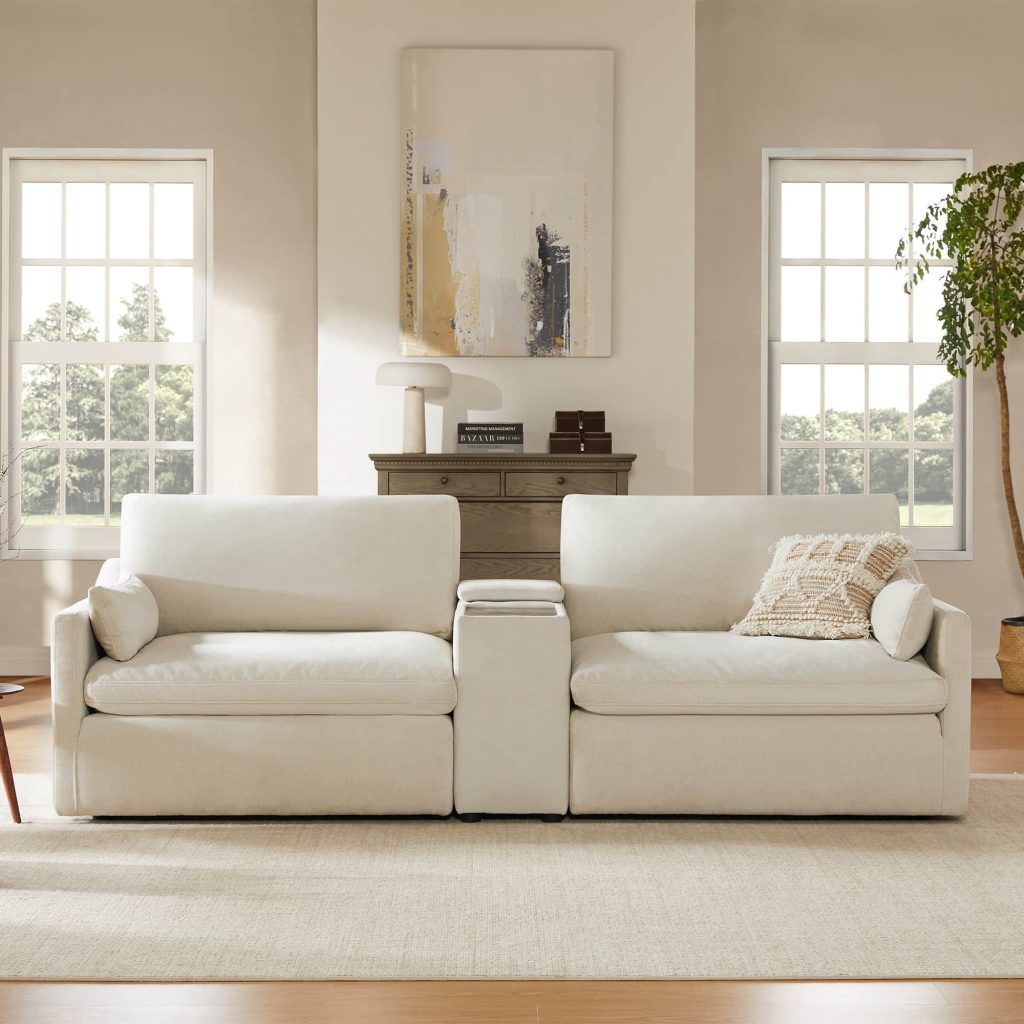
The frame is the part of a sofa nobody photographs. It is also the part that decides whether the piece survives a decade or starts sagging inside two years. Kiln-dried hardwood frames hold their shape as humidity shifts through the seasons. Softwood and engineered particleboard frames warp, split at their joints, and lose their squareness the moment they take real weight. Springs matter just as much. Eight-way hand-tied springs and quality sinuous springs give even support across the seat, resisting the slow dip that turns a favorite spot into an eyesore. Foam-only bases with no spring system compress within months and never bounce back. Ask what supports the cushions, not just what covers them. A frame you cannot see is more important than a color you can, because you will feel the frame every time you sit down for the next ten years.
Overlooking Seat Depth and Comfort Geometry
Comfort is not a universal metric. A love seat with a twenty-four inch seat depth swallows a five-foot user, while the same piece works beautifully for anyone taller. Deep, low seats look luxurious in staged photos and feel impossible to get out of when your knees are stiff at the end of a long day. Firm, shallow seats read as tailored to some shoppers and unforgiving to others. Sit on the piece before you commit, or read reviews that describe the seat height, back angle, and cushion firmness in real terms. Think about who uses the sofa the most and how. If you take an afternoon nap on it, cushion feel matters more than sharp tailoring. If it is a reading spot, back support wins. Do not assume any love seat is good enough without matching it to how you actually plan to live with it every day.
Forgetting the Journey from Truck to Living Room
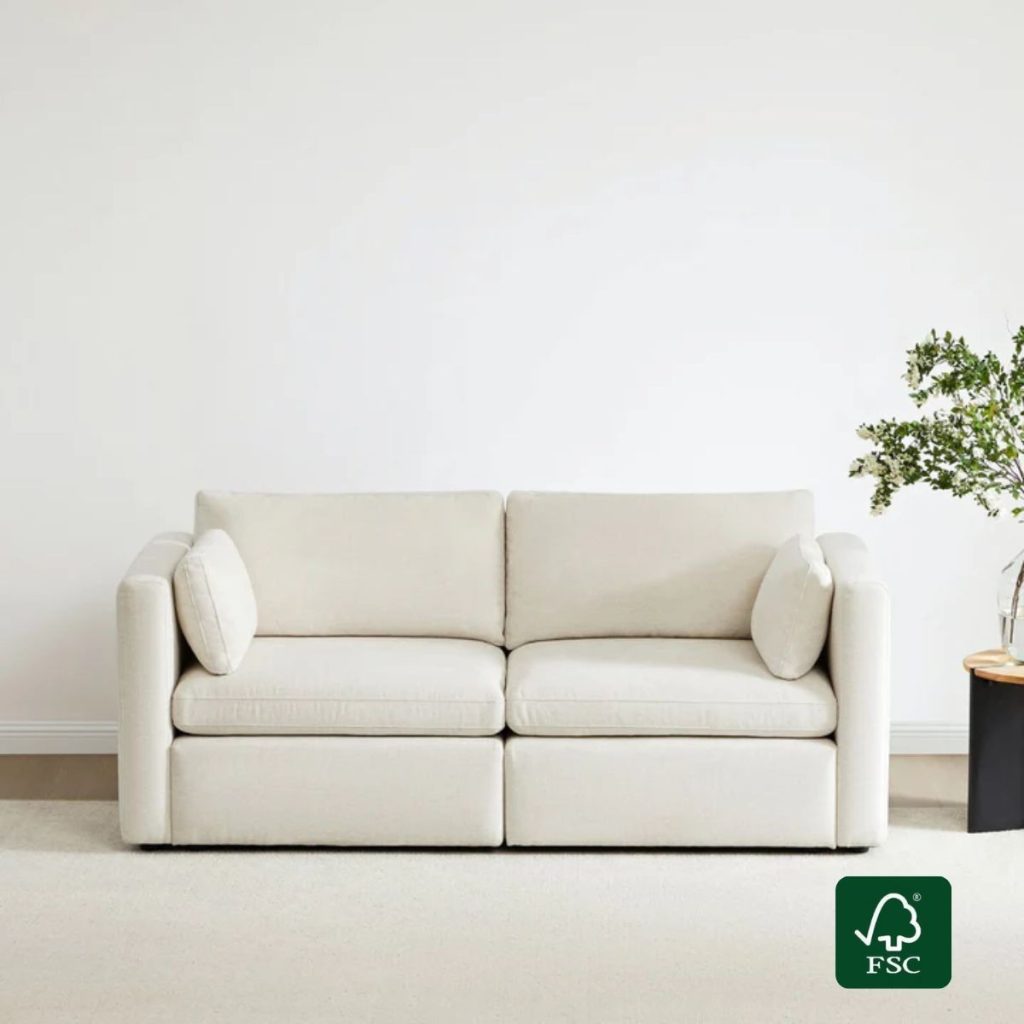
Plenty of buyers order a beautiful piece and only think about delivery when the crew is standing in the driveway with something that will not fit through the front door. Fixed-frame love seats can be too wide for narrow hallways, too tall for tight stairwells, or too rigid for the sharp turn into a walk-up apartment. A gorgeous sofa on the sidewalk is still just a sofa on the sidewalk. Modular love seats, arm-off designs, and pieces that ship in sections solve most of these problems before they start. Before you buy, measure every threshold the piece will pass through, including the diagonal of doorways and any turns at the base of a staircase. Ask the seller for the packaged dimensions, not just the assembled ones. If your building has an elevator, know its interior height. Ten minutes of measuring beats a restocking fee, a return trip, and a room that stays empty for another month.
Skipping Sustainability and Finish Details
Furniture buying used to be a race toward the cheapest price. That habit produces landfills full of two-year-old sofas that were never meant to last. Long-lived furniture starts with responsibly sourced wood, low-VOC finishes, and a build quality that supports repair rather than replacement. FSC-certified frames signal that the timber came from managed forests. Removable, washable covers keep a piece looking fresh through years of daily use. Metal-on-metal joinery outlasts staples and glue by a wide margin. Brands such as CHITA LIVING lean into this side of the industry, and it is worth checking whether any seller on your shortlist does the same. A sofa that lasts fifteen years is a better purchase than one that looks slightly nicer for three. Ask about warranty length, availability of replacement parts, and whether the maker publishes any real information about how the piece is built.
Falling for Style Without Context
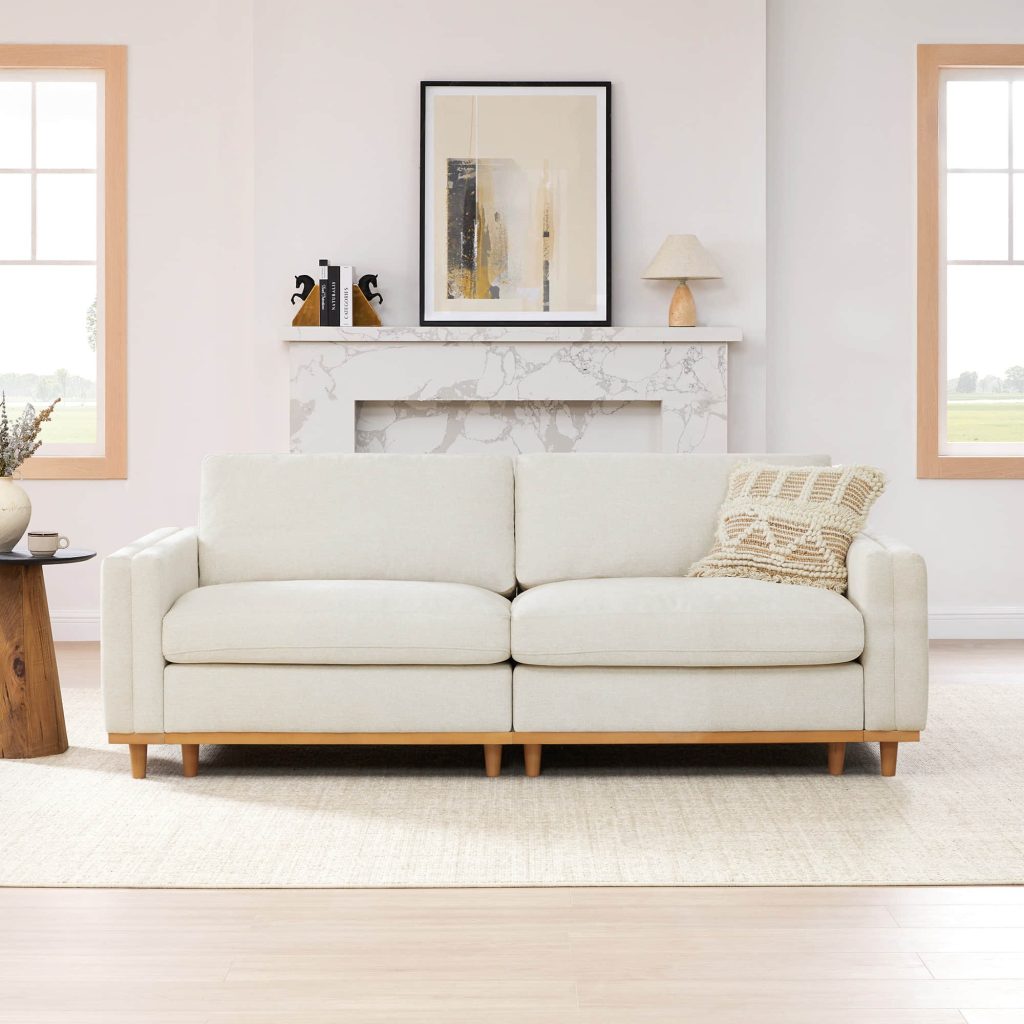
The final trap is the most emotional one. A love seat that photographs beautifully can still feel wrong in your home. Tufted arms clash with clean modern rooms. Barrel silhouettes read as heavy in tight spaces. Bright fabric shades that thrill you in a showroom lose their charm when you see them every morning for a decade. Style is one input among many, not the only one that matters. Match the piece to the architecture of the room, the tones of your existing textiles, and the shape of the traffic pattern around it. Look at the fabric in daylight and evening light before you decide, because color shifts drastically between the two. Style trends fade quickly, but the sofa stays. Choose a shape and finish you will still find pleasant when the next trend cycle turns and the rest of your room slowly evolves around it.
Buying with Confidence Not Regret
The mistakes above rarely happen because shoppers are careless. They happen because love seats are marketed to feel effortless and forgiving, when the reality is that every small decision compounds over years of daily use. A tape measure, a fabric spec sheet, and honest thought about how you actually live handle most of the risk. The rest comes down to buying from a maker that stands behind the piece long after the delivery truck leaves. Approach the search patiently. Compare frames, not just finishes. Sit before you swipe. Read the delivery details closely. Ask the questions that showroom copy does not answer for you. If a piece feels rushed or a seller hesitates when you press for real information, keep looking. A love seat is a decade-long commitment in a room you use every day, and the pieces that reward that commitment tend to come from buyers who did the small work in advance. Take the extra hour before you buy. The living room you sit in a year from now will thank you for it.