
The Complete Guide to Choosing a Lift Chair Recliner
Finding the right seating solution for a loved one who struggles with standing, or for yourself as mobility becomes more of a daily consideration, involves more moving parts than most first-time buyers expect. A lift chair recliner blends the comfort of a traditional recliner with a powered mechanism that gently tilts the seat forward, easing the transition between sitting and standing. That combination makes it a genuinely practical piece of furniture, not just another accent chair. This walkthrough breaks the buying process into clear, manageable steps so you can evaluate the options with confidence. You will learn how to size a lift chair correctly, identify the reclining positions that matter, choose materials that suit your household, and set the chair up so it functions well from day one. By the end, the vocabulary and trade-offs that once felt confusing should feel straightforward.
Step One: Understand What a Lift Chair Actually Does
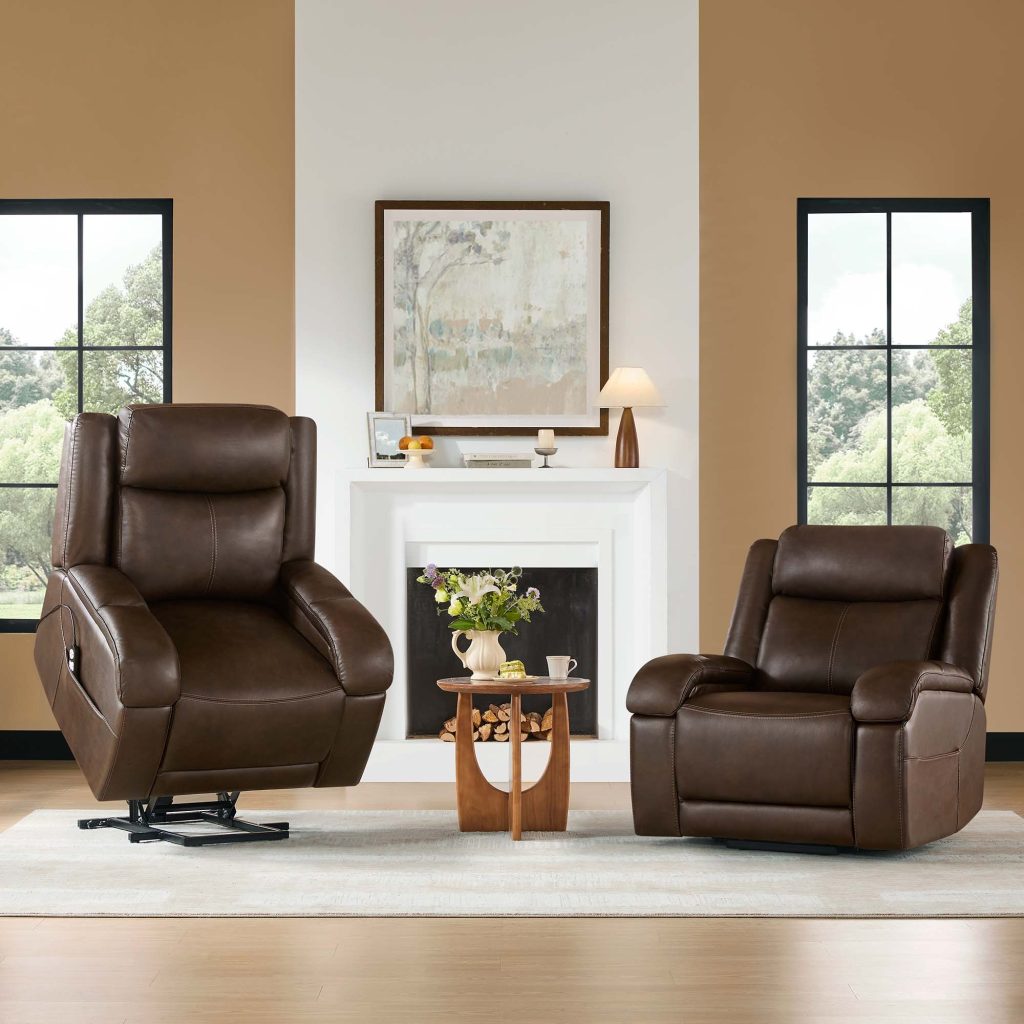
Before comparing models, it helps to know exactly what a lift chair recliner is designed to accomplish. Unlike a standard recliner, which only reclines backward, a lift model uses a low-voltage motor to tilt the entire seat forward and upward. The motion shifts your body weight over your feet, letting you rise with minimal knee strain. When the same chair returns to a flat position, it works as a regular recliner or, in some cases, a full sleeper.
Understanding this dual purpose changes how you shop. You are not just picking a piece of living room furniture; you are choosing a mobility aid that will be used many times a day. If you keep that framing in mind, features like a quiet motor, a responsive hand control, and a battery backup in case of a power outage stop feeling like extras and start feeling like essentials. For a broad look at reputable options, browsing a curated selection like the lift chair recliner collection from CHITA LIVING gives a helpful sense of what modern designs include.
Step Two: Measure the User Before You Measure the Room
The single most common mistake in lift chair shopping is choosing a size based on the room rather than the person who will sit in it. Start with three measurements: the user’s height, the distance from the back of the knee to the heel while seated upright, and the width across the hips. A chair that is too tall leaves feet dangling and cuts circulation. One that is too short forces the knees higher than the hips, which becomes painful within minutes.
Once you have those numbers, look at manufacturer size charts rather than category names. Terms like petite, medium, and tall are not standardized between brands. Only when the user’s measurements clearly fall inside a model’s recommended range should you turn to the room measurements to confirm there is enough clearance behind the chair for the recline motion and enough space in front for the forward lift arc. Most models need about eighteen to twenty-four inches of rear clearance to fully recline.
Step Three: Learn the Position Categories
Lift chair recliners are commonly grouped by how many motors they contain and how far they recline. Two-position chairs recline only slightly and are best for reading or watching television. Three-position chairs go nearly flat, which helps circulation and works for short naps. Infinite-position chairs use separate motors for the backrest and footrest, so you can raise your legs above your heart, a posture doctors sometimes recommend to reduce swelling. Zero-gravity models take that idea further, cradling the body in a way that distributes weight evenly across the spine.
Choose the position category based on how the chair will actually be used through the day. Someone who plans to sleep in the chair occasionally will value an infinite-position model with independent leg and back control. Someone who mostly wants help standing up may not need more than a two-position lift. Adding motors adds cost and complexity, so match the feature set to real habits rather than hypothetical ones.
Step Four: Compare Upholstery Options
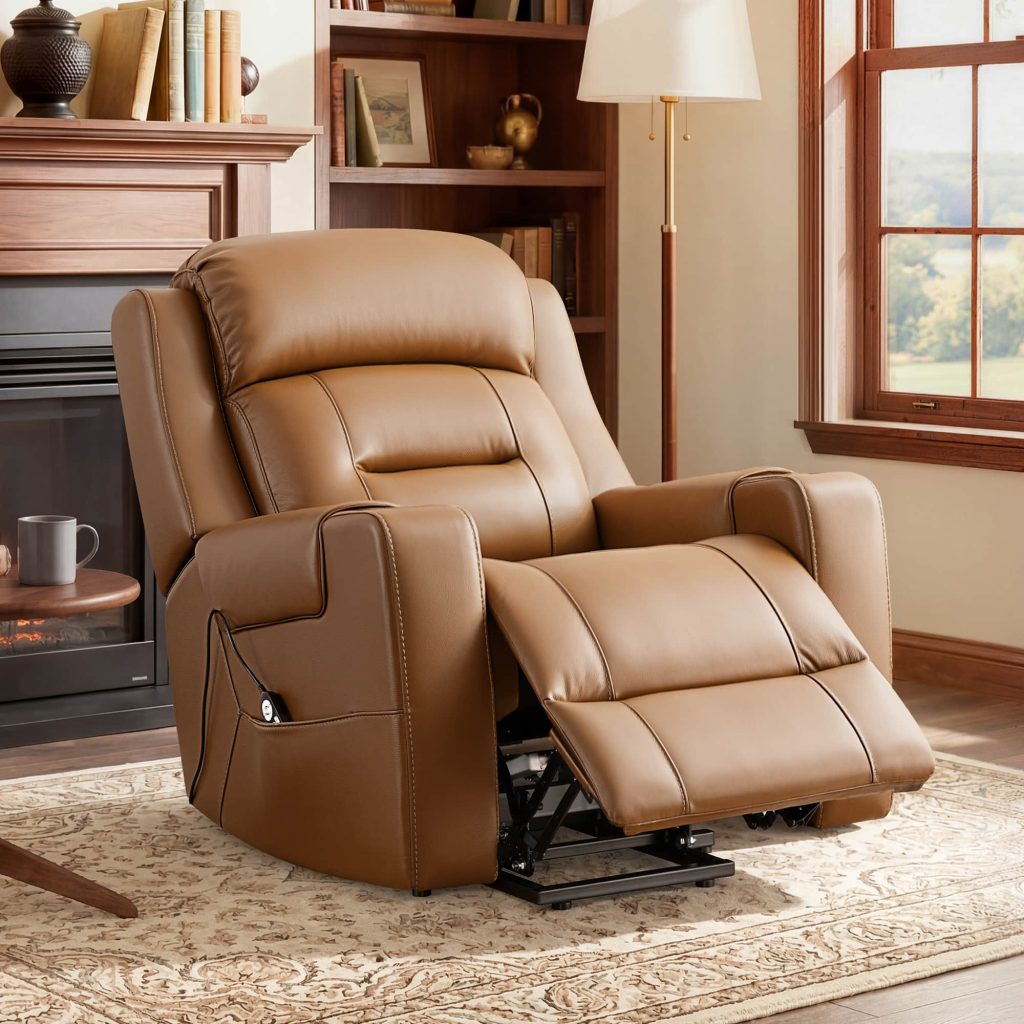
Fabric choice affects comfort, cleaning, and how long the chair will look presentable. Genuine leather feels cool at first touch, warms with the body, and wipes clean easily, which makes it a strong pick for households where spills are likely or where a caregiver assists with transfers. Performance fabric offers a warmer feel and a wider color range while resisting stains through a woven or coated finish. Microfiber sits between the two, soft against the skin and reasonably easy to spot-clean.
Think about who else lives in the home. Pets and leather can coexist, though claws will eventually leave marks. Children and light fabrics rarely mix well. If humidity or direct sunlight will hit the chair, ask about fade resistance, since prolonged exposure can dull certain finishes faster than others. A quick look at the underside of the cushions during a showroom visit reveals the density of the foam, which is a better predictor of long-term comfort than the surface material alone.
Step Five: Evaluate Comfort and Support Features
Beyond the lift mechanism, several comfort features can turn a functional chair into one that feels welcoming for long stretches. Integrated heat targets the lower back and can ease stiffness on cold mornings. Built-in massage systems, usually with a few intensity settings, provide gentle stimulation for tired muscles. A power headrest adjusts the neck angle independently, which matters for anyone who reads or works from the chair. Lumbar support, either fixed or adjustable, keeps the spine aligned during longer sessions.
These features are not required, but they add real value when they match specific needs. A user with chronic back pain benefits from lumbar and heat features; a user recovering from surgery may find massage overstimulating. Test each function during a showroom visit rather than trusting the description, because the strength and quality of these systems vary widely between manufacturers.
Step Six: Plan Delivery, Setup, and Daily Use
Once the model is chosen, prepare the space before the chair arrives. Clear a path from the front door to the intended spot and confirm doorways are wide enough for the boxed dimensions. Choose an outlet near the chair, because most models have a fixed cable length and extension cords are not recommended for the motor. Consider whether the chair will need to be moved for cleaning, and if so, whether a rug or floor protector should go beneath it.
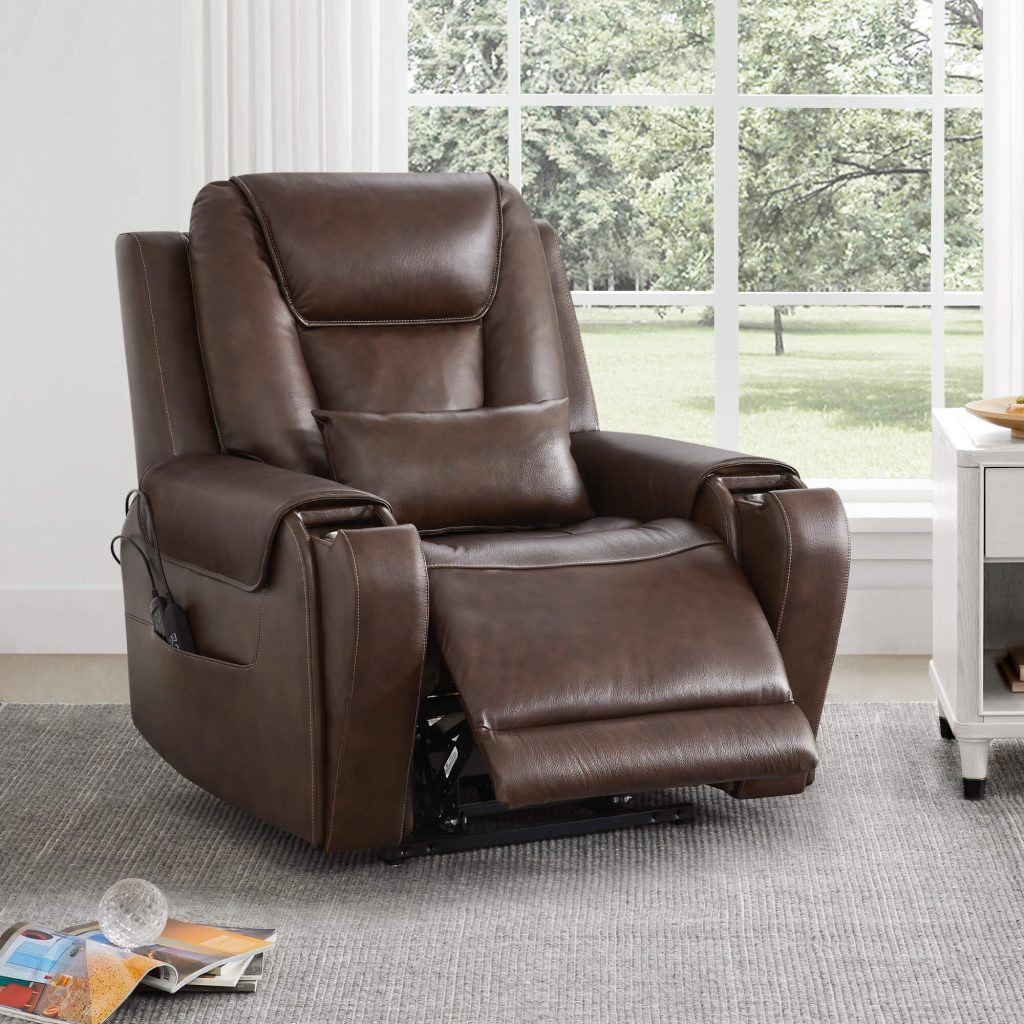
When the chair is in place, spend a few minutes learning the hand control with the user present. Practice the lift and recline cycle two or three times so the motion feels familiar. Store the remote in the same spot each day, either in the built-in pocket or on a nearby side table, so it is never lost when it is needed most. A small routine like this makes the chair feel like a natural part of daily life rather than a piece of medical equipment.
Turning Comfort into a Daily Advantage
Choosing a lift chair recliner works best when it is treated as a series of small, informed decisions rather than one overwhelming purchase. Start with the user’s measurements, then decide how many positions the chair should offer, then choose an upholstery and comfort package that fits the household. Preparing the room and practicing the controls at the end turns the chair into a piece of furniture that supports independence without drawing attention to itself. With a thoughtful approach and a well-designed model, a lift chair becomes one of the quietly useful fixtures in the home, offering steady support, comfortable rest, and easier daily transitions for years to come.